Drywall Repair or Full Replacement? How to Make the Right Call

April 17, 2026

Drywall issues are among the most common interior problems faced in residential and commercial spaces, yet deciding between repair and full replacement is rarely straightforward. Cracks, dents, moisture stains, and structural damage often appear similar on the surface, but the underlying causes can vary significantly. Making the correct decision is important because it directly affects safety, durability, cost efficiency, and long-term property value. Choosing poorly can lead to recurring damage, hidden mold growth, or unnecessary renovation expenses.


In most situations, property owners struggle to identify whether the damage is cosmetic or structural. Small imperfections may seem minor but can signal deeper issues within framing, insulation, or moisture barriers. On the other hand, extensive replacement may be recommended when simple repairs could have been sufficient. This uncertainty makes professional evaluation and informed decision-making essential. Understanding key indicators, material behavior, and repair limitations helps us approach drywall problems with confidence and clarity, ensuring the right solution is chosen for both immediate restoration and long-term performance.

Assessing Drywall Damage Severity

  • Surface-Level Damage vs Structural Concerns

    Understanding drywall damage begins with identifying whether issues are surface-level or structural in nature. Surface damage includes nail pops, hairline cracks, or minor dents caused by daily wear and usually affects only the outer layer, allowing targeted repair. Structural damage involves sagging panels, widespread cracking, or wall deformation, indicating compromised integrity that may require partial or full replacement to restore strength, stability, and long-term wall system performance effectively.

  • Moisture and Hidden Complications

    Moisture exposure is one of the most critical factors in drywall evaluation, often signaling deeper hidden problems beyond visible surfaces. Water stains, bubbling paint, or soft spots suggest leaks or humidity intrusion spreading into insulation or framing. In such cases, we inspect for mold growth and weakened boards. When moisture penetration is extensive, repair may not restore stability, making full replacement the safer and more reliable long-term solution overall.

  • When Small Issues Signal Bigger Problems

    Even small cracks that reappear after repair can indicate foundation movement, framing shifts, or ongoing moisture issues within the structure. Repeated patching without addressing root causes often leads to higher costs and recurring damage over time. A proper assessment ensures we are not treating surface symptoms while ignoring deeper structural concerns that compromise durability, safety, and long-term performance of the entire wall system, requiring careful evaluation always.

Common Causes and What They Indicate

Foundation Movement and Settling

Homes naturally shift over time, and this movement often appears as drywall cracks, especially around doors and windows. Minor settling is normal, but widening or repeated cracks suggest structural movement requiring deeper inspection. In such cases, we evaluate whether the wall system has shifted beyond tolerance levels or if replacement is needed to restore alignment, stability, and long-term structural performance across affected interior surfaces consistently and effectively.

Plumbing Leaks and Water Intrusion

Hidden plumbing leaks are a major cause of drywall deterioration and often remain unnoticed until visible damage occurs. Water intrusion typically appears as discoloration, swelling, or crumbling material along affected sections. If detected early, localized repair may be possible, but prolonged exposure weakens drywall sheets and surrounding materials, making full replacement the more reliable solution for restoring structural integrity and preventing recurring moisture-related issues throughout the space effectively.

Poor Installation Practices

Incorrect fastening, spacing issues, or poor finishing work can lead to premature drywall failure over time. Common signs include uneven seams, recurring nail pops, or tape separation along joints and edges. While minor installation defects can sometimes be corrected, widespread workmanship issues usually require full reinstallation to ensure lasting performance, structural reliability, and a smooth, consistent wall surface that meets durability standards and long-term finishing expectations properly.

Temperature and Humidity Fluctuations

Extreme temperature changes and high humidity levels cause repeated expansion and contraction in drywall materials over time. This movement results in cracking, joint separation, and surface instability across affected areas. In environments with persistent climate stress, we must evaluate whether repeated repairs will hold or if replacement with moisture-resistant materials is more practical for maintaining long-term wall performance, durability, and consistent interior environmental conditions effectively.

Repair vs Replacement Decision Framework

Cost Efficiency Over Time

While repair appears more affordable initially, repeated patchwork can accumulate higher long-term costs due to recurring damage and maintenance requirements. Replacement offers a clean slate and significantly reduces the likelihood of repeated interventions. We evaluate not only upfront expenses but also durability, maintenance frequency, and long-term performance when choosing between repair and full replacement to ensure maximum value, stability, and structural efficiency over extended periods.

Matching Aesthetic Consistency

Repairs may leave visible inconsistencies in texture or paint finish, especially in older wall systems where material aging is uneven. Achieving a seamless appearance requires precise blending of compound, texture matching, and paint integration. In some cases, larger replacement sections are necessary to maintain uniformity, ensuring repaired and existing surfaces align visually for a consistent interior appearance, improved aesthetics, and long-term finish quality throughout the entire space, effectively achieved.

Structural Reliability and Safety

In cases where drywall contributes to fire resistance or soundproofing, compromised panels can reduce overall safety performance within the structure. Replacement restores original protective properties and ensures the wall system functions as intended. We prioritize structural reliability, compliance standards, and long-term durability when determining whether repair is sufficient or full replacement is necessary to maintain safe interior environments and consistent performance across all affected building areas effectively.

Practical Decision Indicators

We rely on key indicators such as recurring damage, water exposure severity, and overall structural integrity when making repair or replacement decisions. If multiple indicators suggest ongoing or worsening issues, replacement becomes the more reliable long-term solution. Proper evaluation ensures we address root causes instead of temporary surface symptoms, improving durability, performance, and overall wall system reliability while supporting accurate, informed decision-making across all residential or commercial settings.

Best Practices for Professional Drywall Work

  • Proper Inspection Before Action

    A detailed inspection is essential before beginning any drywall repair or replacement work. We assess surface conditions, framing stability, moisture presence, and insulation health to ensure accurate diagnosis. This process helps identify root causes rather than visible symptoms, allowing selection of the most effective solution that ensures durability, safety, and long-term performance across the entire structure while maintaining consistent quality standards and reliable execution in every project.

  • Using the Right Materials

    Material selection plays a critical role in drywall durability and long-term performance. Moisture-resistant boards are ideal for humid areas, while standard boards work well in dry environments. Joint compounds, tape quality, and finishing materials also affect strength and appearance. Choosing the correct materials ensures stability, reduces maintenance needs, and improves overall wall system reliability while delivering consistent structural and aesthetic results over extended use.

  • Precision in Repair Techniques

    Small drywall repairs require careful cutting, patching, and sanding to achieve seamless blending with surrounding surfaces. Poor execution can lead to visible seams, uneven textures, or weak joints that fail prematurely. Attention to detail ensures professional quality results that restore both appearance and structural integrity while maintaining long-term durability across repaired sections within the structure, ensuring consistent finish quality and strong performance throughout extended periods of use.

  • Preventing Future Damage

    Preventive measures are essential for maintaining drywall longevity and reducing future repair needs. Controlling indoor humidity, ensuring proper ventilation, and addressing leaks promptly help prevent recurring issues. Regular maintenance checks allow early detection of damage before it spreads. These practices improve structural stability, enhance durability, and reduce long-term costs associated with repeated repair or replacement work while ensuring consistent performance and protection across all interior environments effectively maintained.

  • When Professional Intervention Is Necessary

    Complex drywall damage involving structural issues, mold presence, or large-scale replacement should be handled with professional expertise. Accurate evaluation ensures safety, compliance, and long-term durability, especially in high-value properties. We assess severity, risk factors, and underlying causes to determine whether repair or full replacement is required for restoring safe, reliable, and high-quality interior environments with consistent accuracy and professional execution across all conditions effectively.

Dependable Drywall Assessment For Accurate Damage Evaluation

Choosing between drywall repair and full replacement requires careful evaluation of damage severity, underlying causes, cost implications, and long-term performance goals. Surface issues may respond well to targeted repairs, while deeper structural or moisture-related damage often demands complete replacement. Understanding these distinctions helps us avoid recurring problems and ensures more durable interior surfaces. A strategic approach not only improves appearance but also strengthens structural reliability and prevents future complications.


Gabe's Drywall has built a strong reputation for delivering reliable drywall solutions backed by 20 years of hands-on experience in Ramona, California. Our focus remains on precision, durability, and long-term value in every project undertaken. We approach each situation with detailed assessment and practical solutions tailored to specific property needs. From minor repairs to full-scale replacements, we emphasize craftsmanship that restores both function and appearance. Every project is handled with a commitment to quality, ensuring surfaces remain strong, smooth, and structurally sound. With consistent workmanship standards and a customer-focused approach, we continue to support property owners in making confident decisions about their drywall systems.

A wood-framed door with a frosted glass insert, set in a partially painted interior wall next to dark wood cabinets.
March 16, 2026
Drywall finishing, the process of taping, mudding, and sanding seams to create smooth, flawless walls, may appear straightforward to the casual observer. With a handful of tutorials, basic tools, and a little confidence, many homeowners believe they can achieve professional-quality results on their own. However, drywal
A wall with textured, speckled paint; lower portion is lighter. Dark wood floor and door on the right.
February 18, 2026
When it comes to interior design, the walls of your home or commercial space play a critical role in shaping the overall aesthetic and ambiance. Beyond paint color and finishes, the texture of drywall can dramatically influence the look, feel, and even perception of space within a room.
Empty garage with built-in wooden shelves along the walls, a ladder, and a garage door opener.
January 15, 2026
Garages have long been considered purely functional spaces, often overlooked in home improvement projects. They serve as storage areas, workshops, or vehicle shelters, and their interior aesthetics are frequently neglected.
Person scrapes textured ceiling with a scraper, removing popcorn texture. Beige walls surround.
December 23, 2025
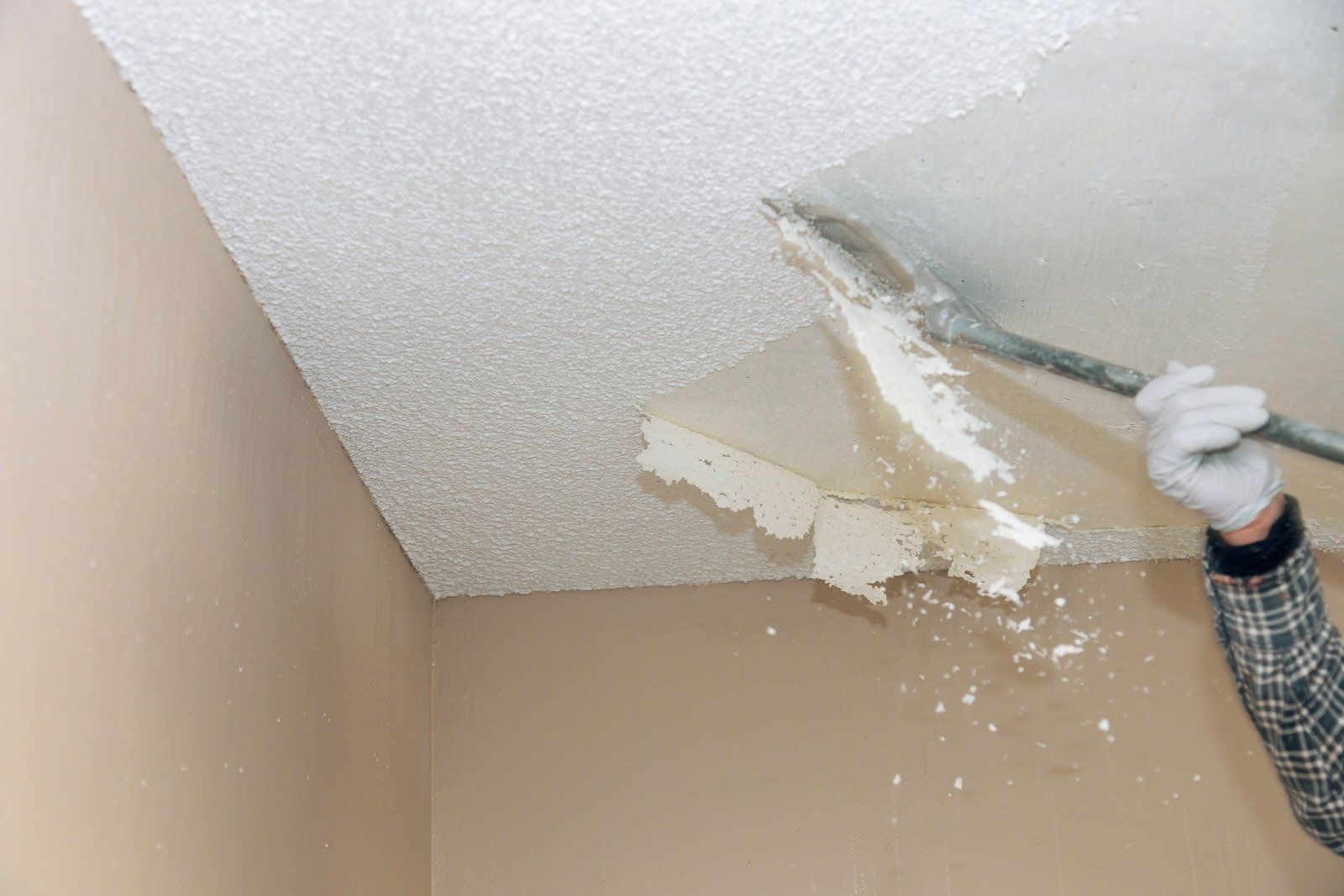
Popcorn ceilings, once a popular architectural trend in the mid-to-late 20th century, have long since fallen out of favor. Initially prized for their ability to hide imperfections, provide sound insulation, and offer a textured aesthetic, these ceilings now often appear outdated and less practical compared to modern al
Fireplace with black surround, beige wall, and wood floor.
November 19, 2025
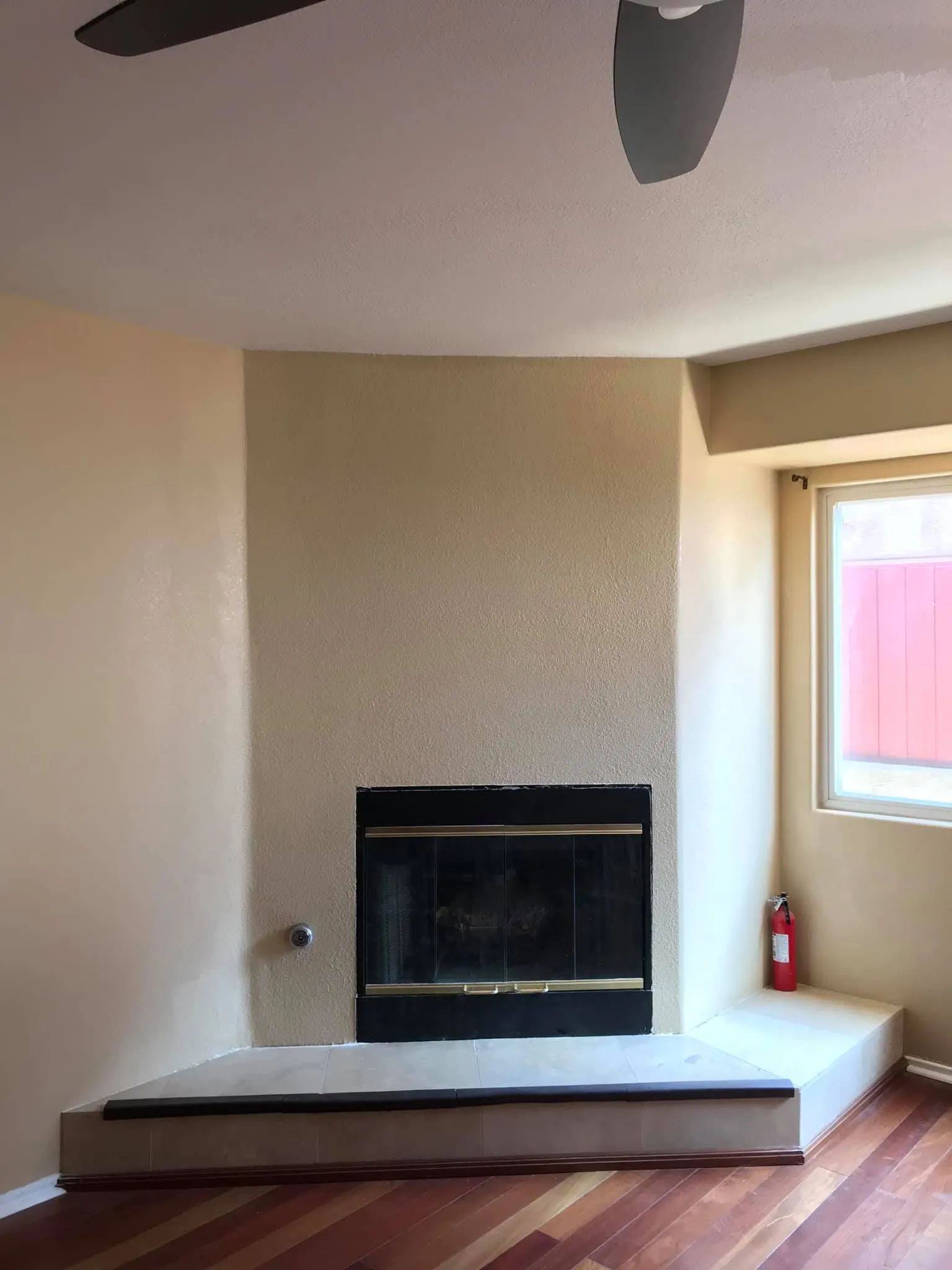
When it comes to drywall repair, most homeowners focus on fixing cracks, holes, or water damage. However, the real challenge lies in making the repaired area blend flawlessly with the existing wall. That’s where texture matching comes in.
Interior room with unfinished drywall on walls and ceiling; window and concrete floor.
October 15, 2025
Drywall may seem like a passive part of your home, but it’s quietly doing a lot, supporting paint, insulation, soundproofing, and even structural integrity. Over time, though, even the best drywall can develop problems that shouldn’t be ignored.
Interior of a room under construction, with drywall installed on walls and ceiling; recessed lighting fixtures.
September 22, 2025
Ceiling cracks are one of those things you notice when you're lying in bed or relaxing on the couch, and once you see them, you can’t unsee them. While some cracks are harmless and cosmetic, others may signal deeper structural problems. Understanding the cause is the first step to finding the right fix.
Interior view with painted walls, patching, and a sliding glass door.
August 26, 2025
Small holes, cracks, or dents in your drywall might seem like cosmetic issues, but they can lead to much bigger problems if ignored. From poor insulation to structural stress, even minor wall damage can impact the comfort, safety, and value of your home.
A man is working on a ceiling in a room.
July 28, 2025
Drywall is one of the most essential components in any home, serving as the foundation for your interior walls and ceilings. While it may seem simple on the surface, proper drywall installation requires skill, precision, and the right tools.