Why DIY Drywall Finishing Often Falls Short (and What to Do Instead)

March 16, 2026

Drywall finishing, the process of taping, mudding, and sanding seams to create smooth, flawless walls, may appear straightforward to the casual observer. With a handful of tutorials, basic tools, and a little confidence, many homeowners believe they can achieve professional-quality results on their own. However, drywall finishing is deceptively complex. Even minor errors can result in visible seams, uneven surfaces, and textures that betray the work of an amateur. For homeowners and renovation enthusiasts, understanding why DIY attempts often fall short is crucial to setting realistic expectations and avoiding costly mistakes.


The repercussions of poor drywall finishing extend beyond aesthetics. Uneven walls can compromise paint application, wallpaper installation, and overall home value. Cracks and dents may appear over time, demanding repeated repairs. While the DIY approach can seem like a budget-friendly solution, the hidden costs of redo work, wasted materials, and time lost often outweigh initial savings. This article delves into the challenges of DIY drywall finishing, explores why professional expertise matters, and offers actionable alternatives. By understanding the technical nuances, tools, and skills required, homeowners can make informed decisions that preserve both the quality and longevity of their interior spaces.

The Complexity Behind Smooth Drywall Finishes

  • Understanding the Layers

    At its core, drywall finishing involves multiple layers of joint compound applied over seams, corners, and screw indentations. Each layer must be applied consistently, allowed to dry properly, and sanded carefully. The process is iterative—skipping or rushing any step compromises the final result. Many DIYers underestimate the number of layers required, leading to visible seams and uneven surfaces. Professional finishers understand the sequencing and drying times, ensuring a flawless, uniform wall.

  • Tools and Techniques Matter

    The difference between amateur and professional drywall work often comes down to technique and tool selection. Using the right trowels, knives, and sanding tools is essential. For instance, applying joint compound with a 12-inch knife ensures broader coverage and fewer ridges than a smaller tool. Additionally, techniques like feathering edges and maintaining consistent pressure are learned through experience. DIYers often rely on limited tutorials, missing out on these nuanced skills, which leads to inconsistencies and imperfections.

  • The Role of Surface Preparation

    Even the best compound and tools cannot compensate for inadequate preparation. Proper drywall finishing begins with correct board installation, consistent screw spacing, and careful edge alignment. Overlooking these steps sets up problems that no amount of mudding or sanding can fully correct. Professionals recognize the importance of preparation, minimizing the chances of cracks, bulges, and visible seams over time.

Common Pitfalls in DIY Drywall Finishing

Inconsistent Application

A frequent issue in DIY drywall finishing is the uneven application of joint compound. Applying too much compound in some areas and too little in others leads to ridges, bumps, and air pockets. These inconsistencies are magnified once paint or wallpaper is applied, resulting in an uneven visual texture that is difficult to fix without redoing the work.

Poor Sanding Practices

Sanding is one of the most critical and often misunderstood steps. DIYers may either under-sand, leaving rough spots, or over-sand, exposing drywall paper and causing weak seams. Proper sanding requires controlled, even strokes and an understanding of compound thickness and drying patterns. Professionals often use specialized sanding poles, screens, or even power tools with dust control to achieve uniformity efficiently.

Rushed Drying Times

Time is a silent factor in drywall finishing. Applying subsequent layers before the previous one has fully dried can cause cracking, shrinkage, or bubbling. Many DIYers underestimate the drying time, particularly in humid environments, leading to long-term structural issues in the wall surface.

Skipping Primer and Surface Treatments

Another common mistake is neglecting primer or sealant after finishing. Primer helps hide imperfections and ensures even paint absorption. Without it, minor flaws become highly visible and paint adhesion may be compromised, resulting in uneven color or peeling over time.

Why Professional Expertise Makes a Difference

Knowledge of Materials

Beyond tools, professionals understand the chemistry and behavior of joint compounds, primers, and tapes. Different compounds behave differently in humidity or under heavy sanding, and professionals select the right product for each scenario. This knowledge minimizes failures like cracking, uneven drying, or shrinkage that DIYers frequently encounter.

Time Efficiency and Cost Savings

While hiring a professional may appear more expensive initially, it often saves both time and money. Mistakes in DIY drywall finishing are costly to correct, requiring additional materials, labor, and effort. Professionals streamline the process, complete the work efficiently, and avoid rework, offering better long-term value.

Handling Complex Scenarios

Certain architectural features, like vaulted ceilings, intricate molding, or drywall repairs around plumbing or electrical installations, require advanced techniques. Professionals have the skill set and equipment to handle these challenges, ensuring a consistent finish that a typical DIYer cannot easily achieve.

Practical Alternatives to DIY Drywall Finishing

  • Partial DIY with Professional Guidance

    One option is the hybrid approach: homeowners can manage basic prep or minor mudding while leaving the final finish to a professional. For example, filling small dents or cracks before the pro arrives can reduce labor costs without sacrificing quality. This approach allows budget-conscious homeowners to participate in the process while ensuring a professional-grade finish.

  • Using Pre-Finished or Easy-Install Panels

    For certain remodeling projects, pre-finished drywall panels or specialized finishing boards can simplify the installation. These panels minimize sanding and mudding needs, reducing the risk of DIY mistakes. While they do not replace professional skill entirely, they help mitigate the most common errors for DIYers.

  • Investing in Training or Workshops

    Homeowners committed to DIY can benefit from training sessions, workshops, or instructional courses offered by local hardware stores or professional drywall associations. These programs teach the nuanced skills necessary for high-quality finishing, including compound mixing, edge feathering, sanding, and priming techniques.

  • Renting or Borrowing Professional Tools

    Often, the limitations in DIY drywall finishing come from using substandard tools. Renting professional-grade trowels, sanding poles, or taping knives can significantly improve results. Coupled with practice and patience, high-quality tools can help DIYers produce smoother finishes.

Maintenance and Long-Term Considerations

Monitoring Wall Health

Even after professional finishing, maintaining drywall is essential. Minor dents, nail holes, or settling cracks can develop over time. Timely repairs prevent these small imperfections from becoming significant issues, extending the lifespan of walls.

Proper Painting Techniques

How drywall is painted directly affects its appearance. Professionals often recommend multiple coats of high-quality primer and paint to conceal minor imperfections. DIYers should avoid thick paint layers in a single application and use proper rollers or brushes to ensure a uniform finish.

Preventing Moisture Damage

Moisture is a significant enemy of drywall. Proper finishing, including sealing joints and corners, helps prevent water infiltration. For areas like bathrooms and kitchens, moisture-resistant drywall or special finishing compounds provide extra protection, reducing long-term damage risks.

Planning for Future Renovations

Understanding the challenges of drywall finishing can also inform future remodeling decisions. Professionals often provide insights on wall durability, material longevity, and repair accessibility, helping homeowners plan renovations that minimize disruption and maintain wall integrity.

Cost vs. Quality: Making the Right Choice

  • Hidden Costs of DIY

    DIY drywall finishing may seem cost-effective upfront, but hidden expenses quickly accumulate. Mistakes require extra joint compound, tape, and sanding materials. Repainting walls due to visible seams or texture inconsistencies adds labor and material costs, erasing initial savings.

  • Evaluating Professional Services

    Professional services offer predictable outcomes, warranties, and expert recommendations. By investing in a professional, homeowners ensure not only a visually appealing finish but also walls that withstand the test of time. Comparing quotes, checking references, and understanding the scope of work helps homeowners make informed decisions that balance cost with quality.

  • Building Long-Term Value

    A professionally finished wall enhances the overall appeal of a property, which can increase resale value. Smooth, seamless walls reflect attention to detail, craftsmanship, and structural integrity—qualities that appeal to potential buyers or renters. This long-term value often surpasses the short-term savings of a DIY approach.

Expert Team Providing Seamless Drywall Solutions Every Time

DIY drywall finishing is far more complex than it initially appears. From uneven compound application and improper sanding to rushed drying times and lack of primer, common mistakes can compromise both the aesthetics and durability of interior walls. While partial DIY, specialized panels, or training can help, professional expertise consistently delivers the best results. Understanding the limitations of a DIY approach empowers homeowners to make informed decisions, avoid costly errors, and achieve a smooth, long-lasting finish that enhances home value and interior appeal.


When precision, quality, and lasting results matter, professional drywall finishing is an investment in your home’s integrity and appearance. At Gabe's Drywall, located in Ramona, California, we bring 20 years of experience to every project, ensuring smooth, flawless walls for both renovations and new construction. Our team understands the nuances of drywall installation, taping, mudding, and sanding, delivering finishes that withstand time and environmental stress. From preparation to priming, we combine advanced techniques, high-quality materials, and meticulous attention to detail to eliminate imperfections and ensure consistent results. Homeowners can rely on our expertise to save time, reduce material waste, and avoid the frustrations associated with DIY drywall finishing. We have built a reputation for reliability, professionalism, and craftsmanship, making us the go-to choice for homeowners in Ramona seeking expert drywall solutions they can trust.

An interior room under renovation with drywall patches on the wall, drop cloths on the floor, and painting supplies.
April 17, 2026
Drywall issues are among the most common interior problems faced in residential and commercial spaces, yet deciding between repair and full replacement is rarely straightforward. Cracks, dents, moisture stains, and structural damage often appear similar on the surface, but the underlying causes can vary significantly.
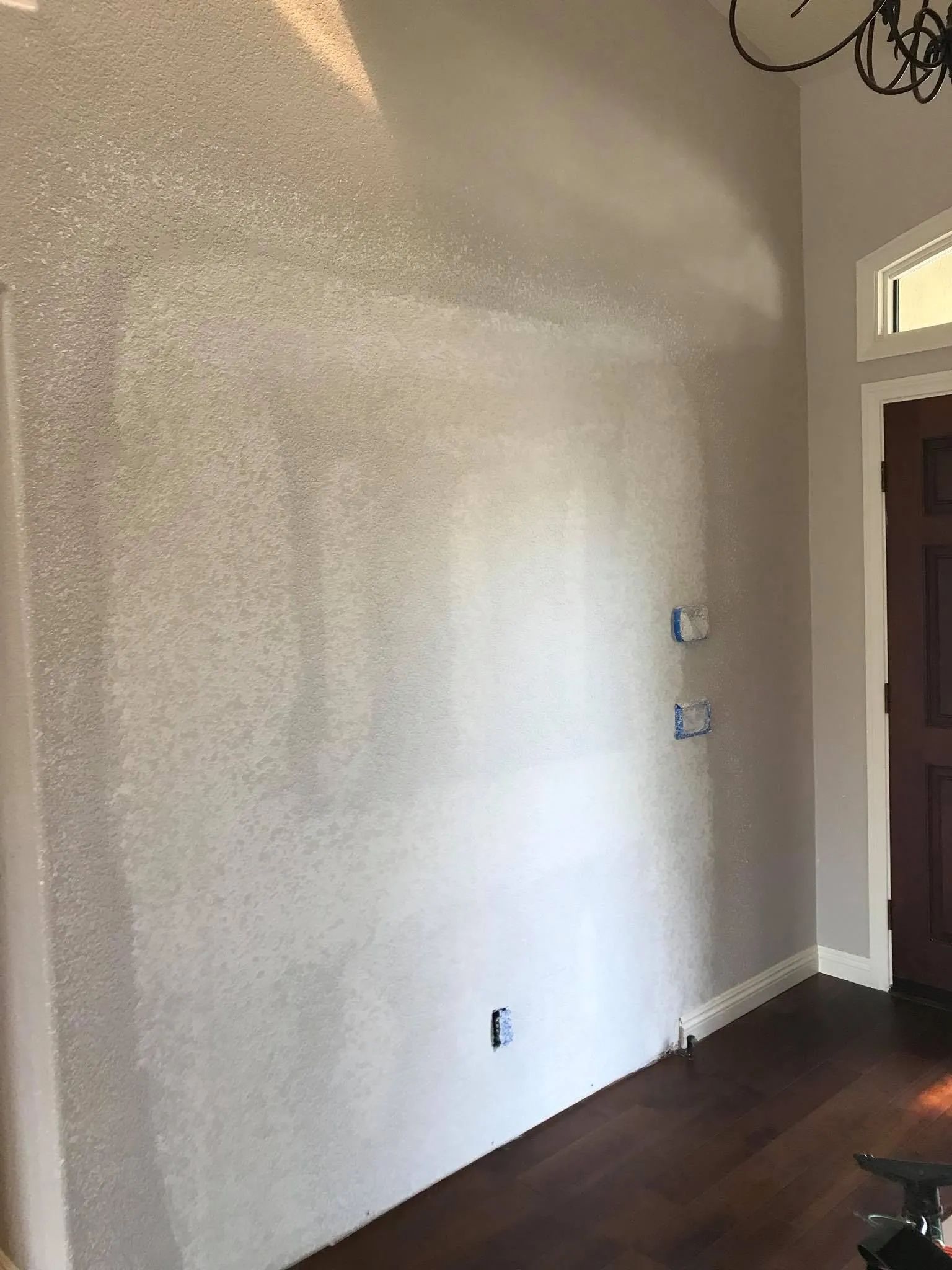
A wall with textured, speckled paint; lower portion is lighter. Dark wood floor and door on the right.
February 18, 2026
When it comes to interior design, the walls of your home or commercial space play a critical role in shaping the overall aesthetic and ambiance. Beyond paint color and finishes, the texture of drywall can dramatically influence the look, feel, and even perception of space within a room.
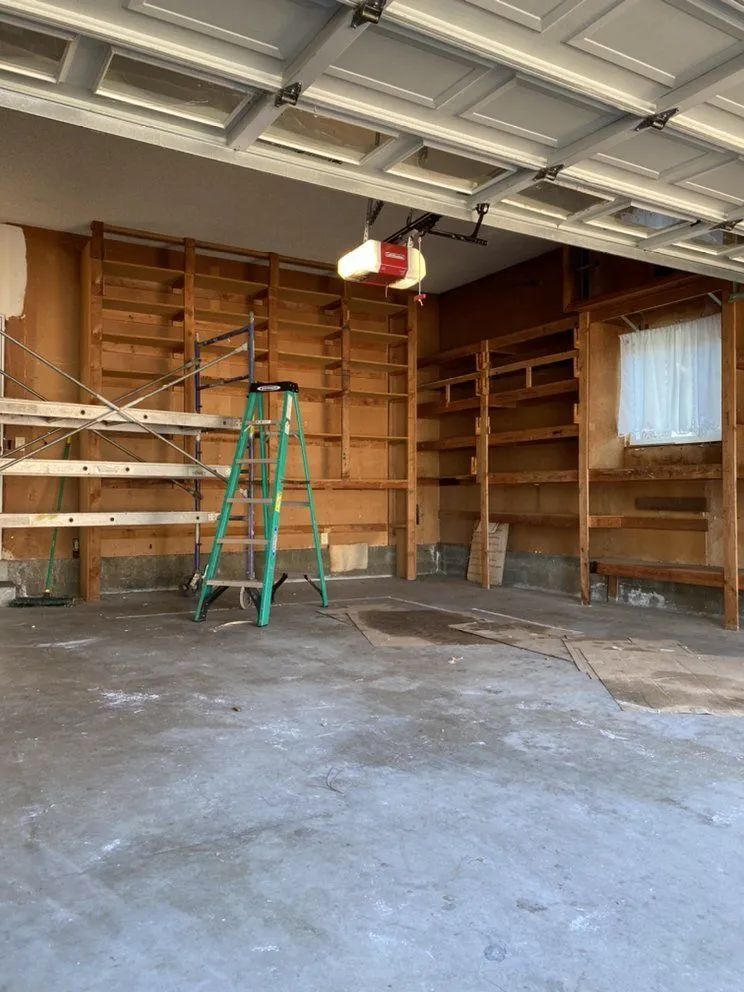
Empty garage with built-in wooden shelves along the walls, a ladder, and a garage door opener.
January 15, 2026
Garages have long been considered purely functional spaces, often overlooked in home improvement projects. They serve as storage areas, workshops, or vehicle shelters, and their interior aesthetics are frequently neglected.
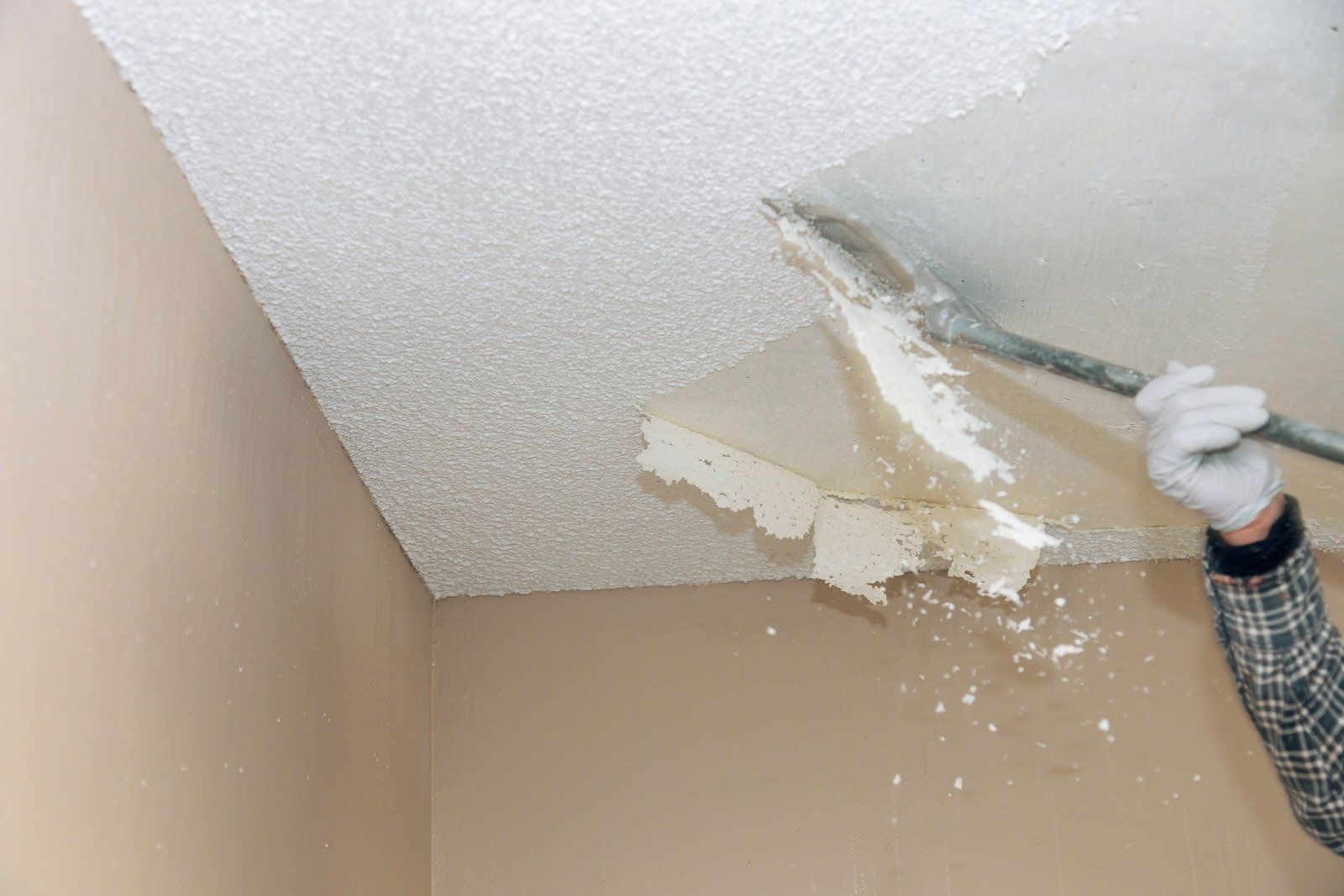
Person scrapes textured ceiling with a scraper, removing popcorn texture. Beige walls surround.
December 23, 2025
Popcorn ceilings, once a popular architectural trend in the mid-to-late 20th century, have long since fallen out of favor. Initially prized for their ability to hide imperfections, provide sound insulation, and offer a textured aesthetic, these ceilings now often appear outdated and less practical compared to modern al
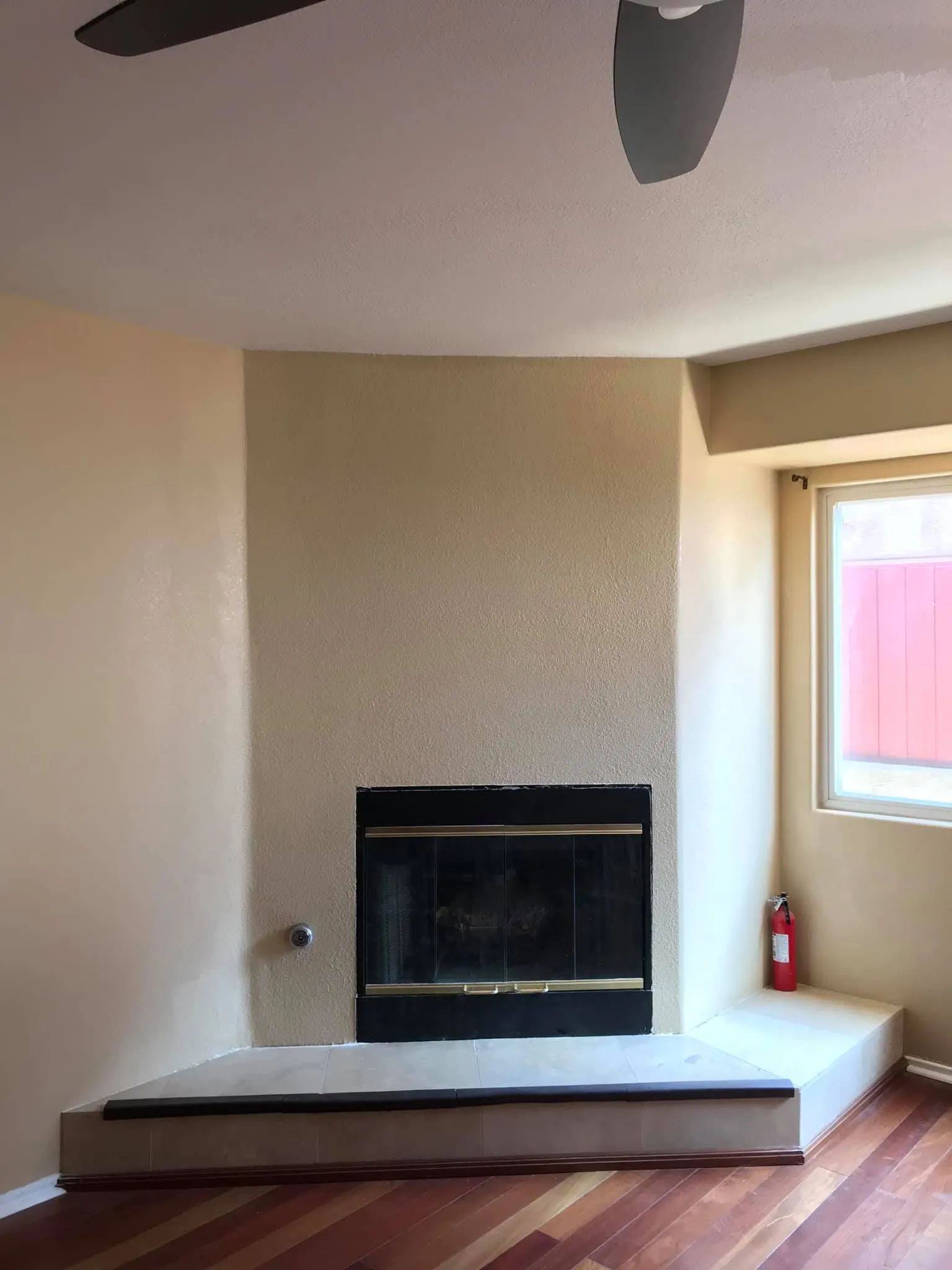
Fireplace with black surround, beige wall, and wood floor.
November 19, 2025
When it comes to drywall repair, most homeowners focus on fixing cracks, holes, or water damage. However, the real challenge lies in making the repaired area blend flawlessly with the existing wall. That’s where texture matching comes in.
Interior room with unfinished drywall on walls and ceiling; window and concrete floor.
October 15, 2025
Drywall may seem like a passive part of your home, but it’s quietly doing a lot, supporting paint, insulation, soundproofing, and even structural integrity. Over time, though, even the best drywall can develop problems that shouldn’t be ignored.
Interior of a room under construction, with drywall installed on walls and ceiling; recessed lighting fixtures.
September 22, 2025
Ceiling cracks are one of those things you notice when you're lying in bed or relaxing on the couch, and once you see them, you can’t unsee them. While some cracks are harmless and cosmetic, others may signal deeper structural problems. Understanding the cause is the first step to finding the right fix.
Interior view with painted walls, patching, and a sliding glass door.
August 26, 2025
Small holes, cracks, or dents in your drywall might seem like cosmetic issues, but they can lead to much bigger problems if ignored. From poor insulation to structural stress, even minor wall damage can impact the comfort, safety, and value of your home.
A man is working on a ceiling in a room.
July 28, 2025
Drywall is one of the most essential components in any home, serving as the foundation for your interior walls and ceilings. While it may seem simple on the surface, proper drywall installation requires skill, precision, and the right tools.