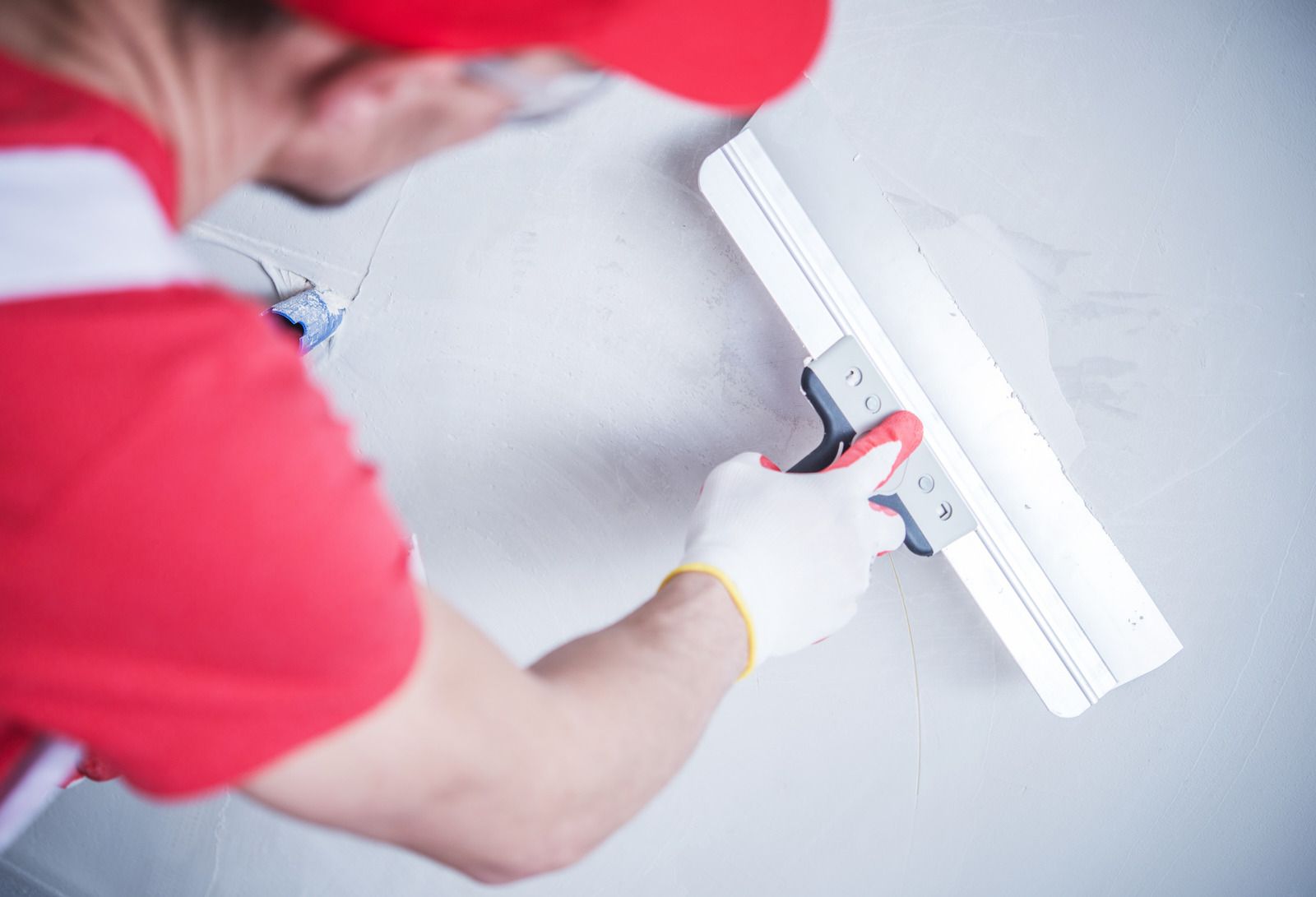
Why Texture Matching Is Harder Than It Looks (And How to Avoid a Patchy Wall)

May 30, 2026

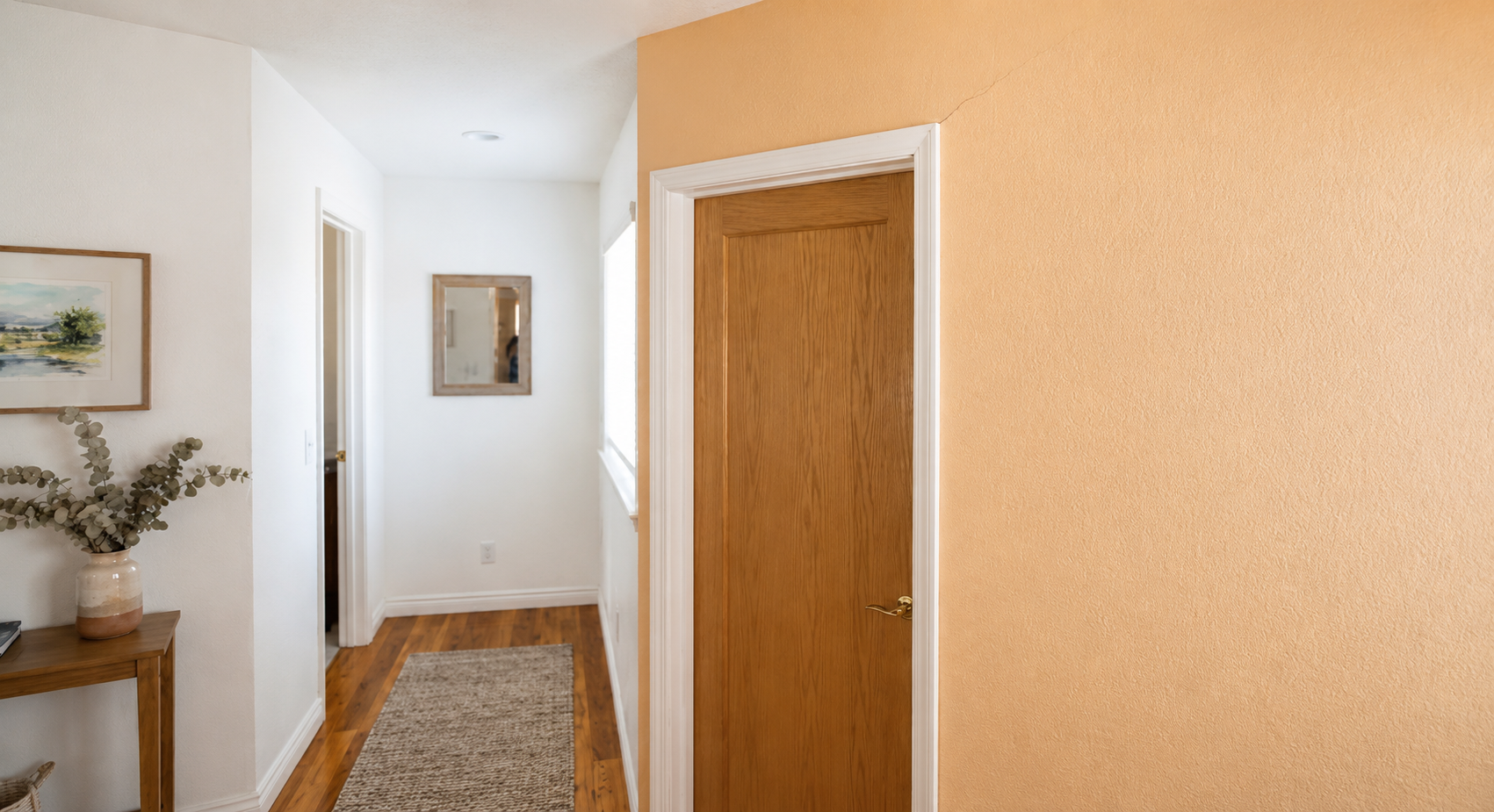
Wall texture plays a major role in the overall appearance of any residential or commercial interior. Even small drywall repairs can become highly noticeable when the surrounding texture does not blend properly with the existing surface. Homeowners often assume patching drywall is only about filling holes or sanding imperfections, but texture matching requires a different level of precision. Every wall surface contains subtle patterns, depth variations, spray density differences, and finishing techniques that must align with the original application. When texture repair is handled poorly, patched areas stand out under natural light, creating uneven surfaces that reduce the visual quality of the room and draw attention to the repair itself.


Texture inconsistency is one of the most common reasons drywall repairs fail to look complete after painting. Differences in material thickness, application methods, moisture absorption, and drying time can all affect the final appearance of the wall. Matching older textures becomes even more difficult because paint layers, settling, and years of wear slightly change the wall’s original finish. Professional texture repair requires experience, surface evaluation, controlled application techniques, and a strong understanding of how different textures behave under various lighting conditions. Knowing why texture matching is difficult helps property owners avoid patchy walls, costly rework, and disappointing repair results.

Understanding Why Texture Matching Is So Challenging

  • Every Existing Texture Has Unique Characteristics

    No two textured walls are exactly alike, even within the same property. Texture patterns vary based on the tools used, spray pressure, drywall compound consistency, and the installer’s technique during the original application. Knockdown textures, orange peel finishes, skip trowel patterns, and hand-applied textures all contain slight variations that become difficult to duplicate years later.


    Many repairs fail because contractors focus only on covering the damaged area instead of recreating the original wall profile. A repair may appear smooth and clean initially, but texture inconsistencies become visible after paint dries or sunlight hits the surface from different angles.


    Older homes create additional complications because texture styles may no longer follow modern application standards. Previous repairs, repainting, and environmental exposure can alter how the wall reflects light. Even a small mismatch in texture density may create noticeable visual breaks between repaired and untouched areas.

  • Lighting Exposes Imperfections Quickly

    Lighting plays a major role in texture visibility. Side lighting from windows, recessed lighting, hallway fixtures, and overhead lights can reveal flaws that remain hidden during repairs. Smooth transitions become especially important in rooms with strong natural sunlight because shadows highlight uneven texture patterns.


    Many DIY repairs look acceptable at night but appear patchy during daytime hours. This often happens because the repair was inspected under limited lighting conditions instead of multiple viewing angles. Professional drywall specialists evaluate textured surfaces under different lighting conditions before considering the repair complete.

  • Paint Changes Surface Appearance

    Texture matching becomes more complicated after painting because paint slightly softens, sharpens, or fills texture patterns depending on the product used. Flat paint, satin paint, and semi-gloss finishes all interact differently with textured surfaces. Older walls may also contain multiple paint layers that alter the original texture depth.


    Fresh repairs absorb paint differently than surrounding surfaces unless primed correctly. This uneven absorption can create flashing, where repaired areas reflect light differently than the rest of the wall. Even perfectly applied texture can appear mismatched if the paint preparation process is incomplete.

Common Causes of Patchy Wall Repairs

Incorrect Texture Materials

Using the wrong drywall compound or texture spray creates immediate blending problems. Different products produce different finishes, even when applied using similar techniques. Lightweight compounds, heavy-bodied mixes, aerosol textures, and hand-mixed compounds all create unique surface appearances.


Some repair attempts fail because pre-mixed spray textures are used on walls originally finished by hand application. The patterns may appear similar from a distance but reveal inconsistencies up close. Material selection must align closely with the original texture method.

Poor Surface Preparation

Surface preparation directly affects texture adhesion and consistency. Dust, loose paint, moisture damage, and uneven sanding prevent texture from blending naturally with the surrounding wall. Repairs often stand out because the patched section was not leveled properly before texture application.


A smooth patch surrounded by textured drywall creates visible elevation differences after painting. Even slight raised edges become noticeable once shadows form across the wall. Proper feathering helps blend repair boundaries into the surrounding surface.

Overlapping Texture Patterns Incorrectly

One of the most common texture repair mistakes involves applying texture only to the repaired area without extending slightly into the existing wall surface. This creates hard visual lines where the new texture abruptly meets the old pattern.


Professional texture matching requires gradual blending techniques that soften transition zones. Extending texture beyond the repair area allows the pattern to merge naturally with surrounding surfaces instead of creating isolated patches.

Rushing Drying and Finishing Stages

Texture changes appearance during drying. Wet texture often looks heavier and smoother than the final dried finish. Contractors who rush sanding, painting, or secondary coats may unintentionally alter the final texture appearance.


Humidity, temperature, airflow, and wall material also affect drying speed. Consistent drying conditions help preserve texture uniformity across the repaired area.

Different Wall Textures Require Different Repair Strategies

Knockdown Texture Repairs

Knockdown textures require both spraying and flattening techniques. Timing becomes critical because the texture must partially dry before being knocked down with a blade or trowel. Pressing too early smears the pattern, while waiting too long prevents proper flattening.


Texture depth also affects the finished appearance. Heavy knockdown textures cast deeper shadows than lighter applications, making mismatched areas easier to identify under direct lighting.

Hand-Troweled Textures

Hand-applied textures create some of the most difficult repairs because each installer leaves slightly different movement patterns during application. Reproducing these textures requires experience, tool control, and a strong understanding of compound behavior.


These finishes often include irregular swirls, arcs, or layered patterns that cannot be duplicated with spray products alone. Matching the original hand movement becomes just as important as matching the material itself.

Smooth Wall Finishes

Many property owners assume smooth walls are easier to repair than textured surfaces, but smooth finishes often reveal imperfections more easily. Any slight bump, sanding mark, or uneven paint reflection becomes highly visible across flat surfaces.


Smooth wall repairs demand careful skim coating, sanding precision, and consistent priming before repainting begins. Even minor flaws stand out under bright lighting.

Why Professional Texture Matching Produces Better Results

  • Experience Improves Pattern Recognition

    Professional drywall specialists develop the ability to recognize texture styles, application techniques, and blending requirements through years of hands-on repair experience. This knowledge helps identify the most accurate repair strategy for each wall type.


    Recognizing subtle differences between spray textures, hand-applied finishes, and layered coatings allows professionals to recreate patterns more naturally.

  • Specialized Tools Improve Consistency

    Texture matching often requires specialized spray equipment, trowels, hoppers, sanding tools, and finishing materials that most property owners do not own. Professional-grade equipment provides better control over texture size, spray pressure, and application consistency.


    High-quality tools also reduce overspray, uneven buildup, and rough transitions between repaired and existing surfaces.

  • Professionals Understand Environmental Factors

    Humidity, airflow, room temperature, and wall conditions all affect texture drying and paint absorption. Experienced professionals adjust techniques based on environmental conditions to reduce texture inconsistencies during repairs.


    This understanding becomes especially important during large repairs where multiple sections must maintain a uniform appearance across connected walls and ceilings.

  • Proper Repairs Help Protect Property Appearance

    Patchy walls reduce the visual appeal of residential and commercial interiors. Poor texture repairs become especially noticeable during property sales, remodels, tenant turnovers, or interior repainting projects.


    High-quality texture matching helps maintain clean wall appearance, improves room presentation, and protects the long-term value of interior spaces.

Experienced Texture Repair Specialists Serving Local Properties

Texture matching requires far more precision than most property owners expect. Successful drywall repairs involve understanding texture patterns, material behavior, lighting conditions, paint interaction, and blending techniques that work together to create seamless results. Even minor mistakes during application or finishing can leave walls looking uneven and incomplete long after the repair is finished. Investing in proper texture repair helps preserve interior appearance while preventing repeated patching and unnecessary repainting costs.


At Gabe's Drywall in Ramona, we bring 20 years of drywall and texture repair experience to residential and commercial properties throughout the area. We understand how difficult it can be to match existing textures without leaving visible repair marks behind. Our approach focuses on careful surface preparation, accurate texture replication, controlled blending methods, and detailed finishing work that helps repaired walls look natural under all lighting conditions. We handle drywall patches, ceiling texture repairs, water damage restoration, and full texture matching services with close attention to detail at every stage of the project. Our experience allows us to evaluate texture styles accurately and apply repair methods that protect the appearance of your walls while helping prevent patchy, uneven finishes that distract from the overall quality of your interior space.

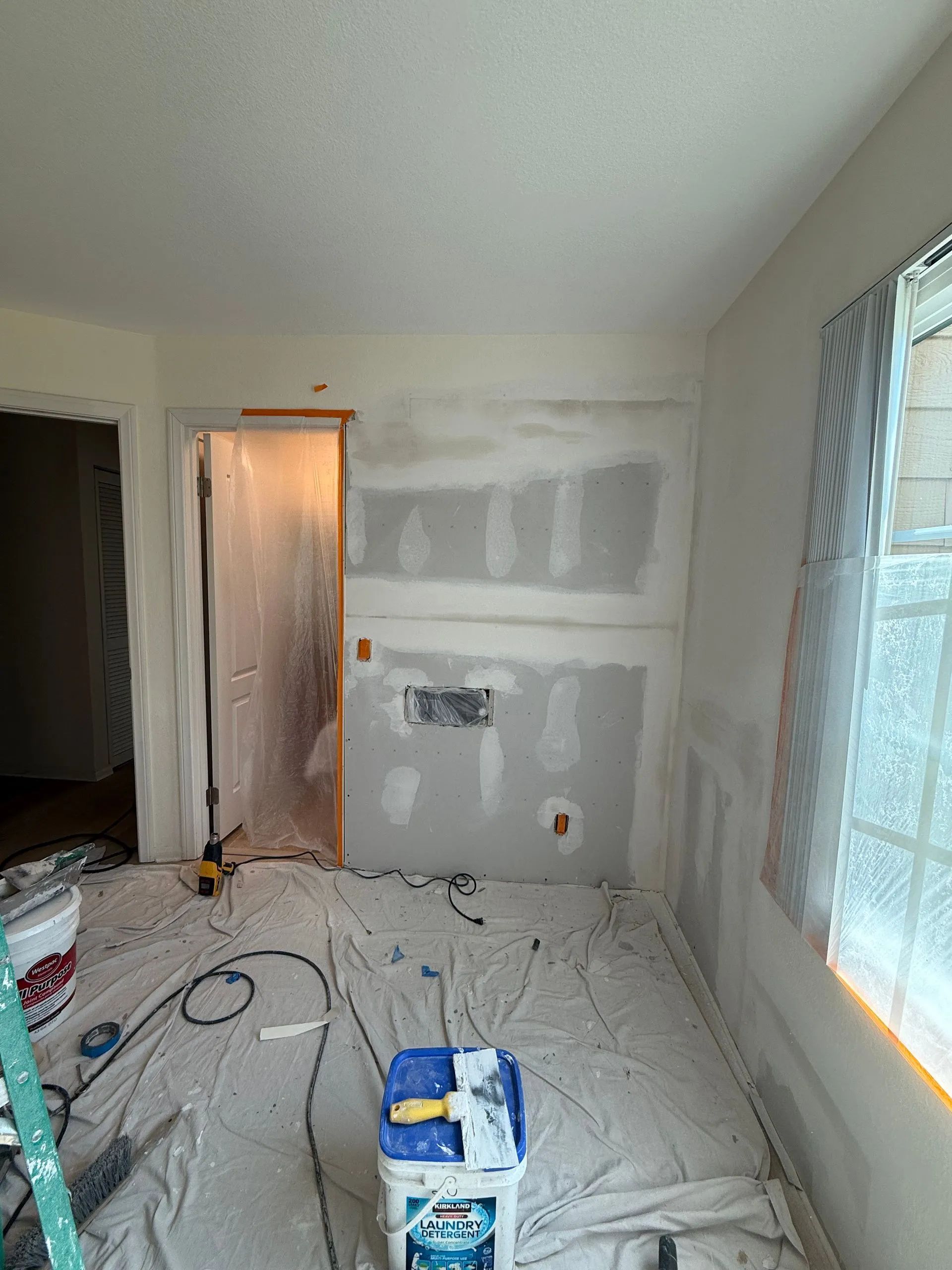
An interior room under renovation with drywall patches on the wall, drop cloths on the floor, and painting supplies.
April 17, 2026
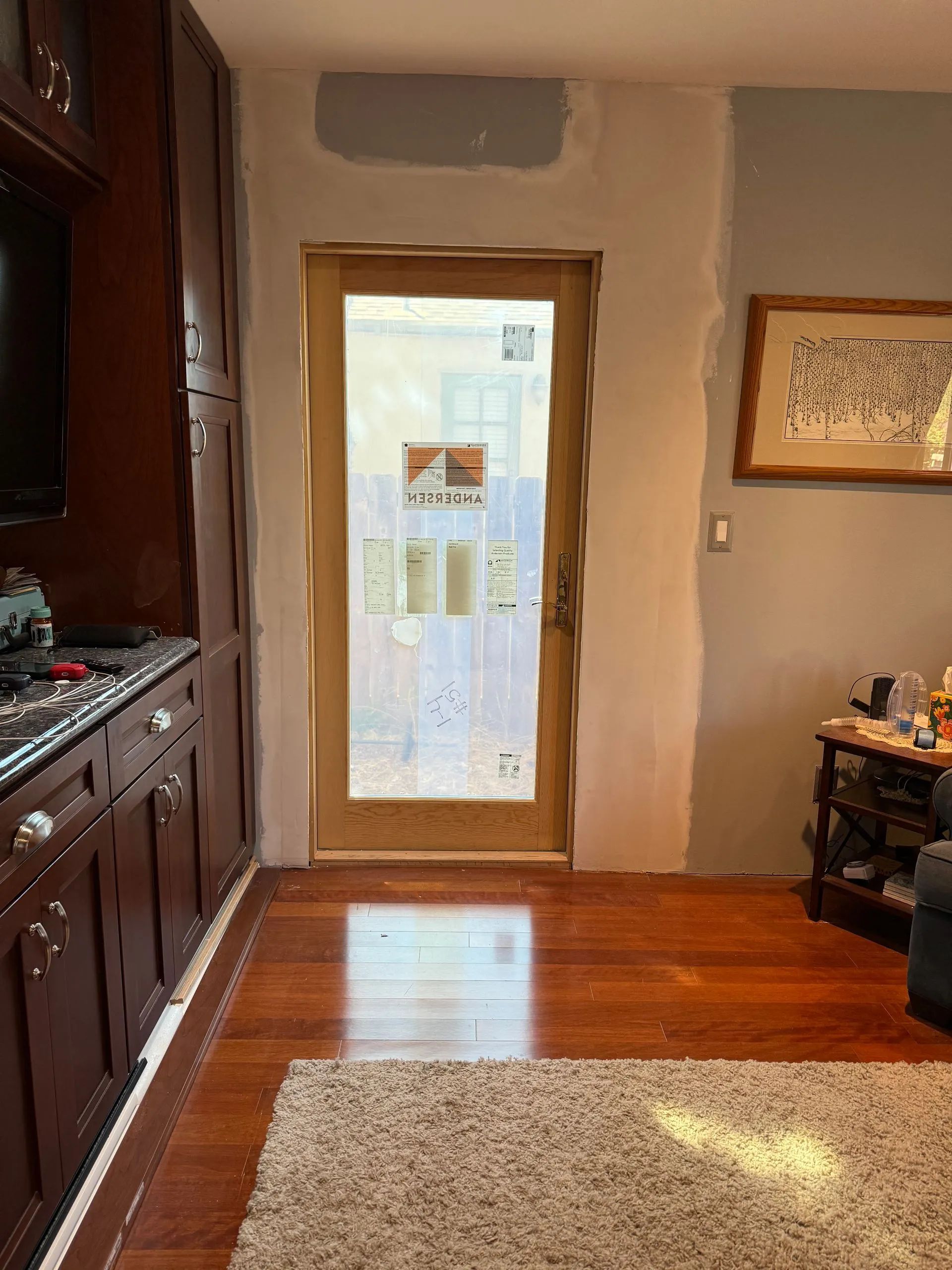
Drywall issues are among the most common interior problems faced in residential and commercial spaces, yet deciding between repair and full replacement is rarely straightforward. Cracks, dents, moisture stains, and structural damage often appear similar on the surface, but the underlying causes can vary significantly.
A wood-framed door with a frosted glass insert, set in a partially painted interior wall next to dark wood cabinets.
March 16, 2026
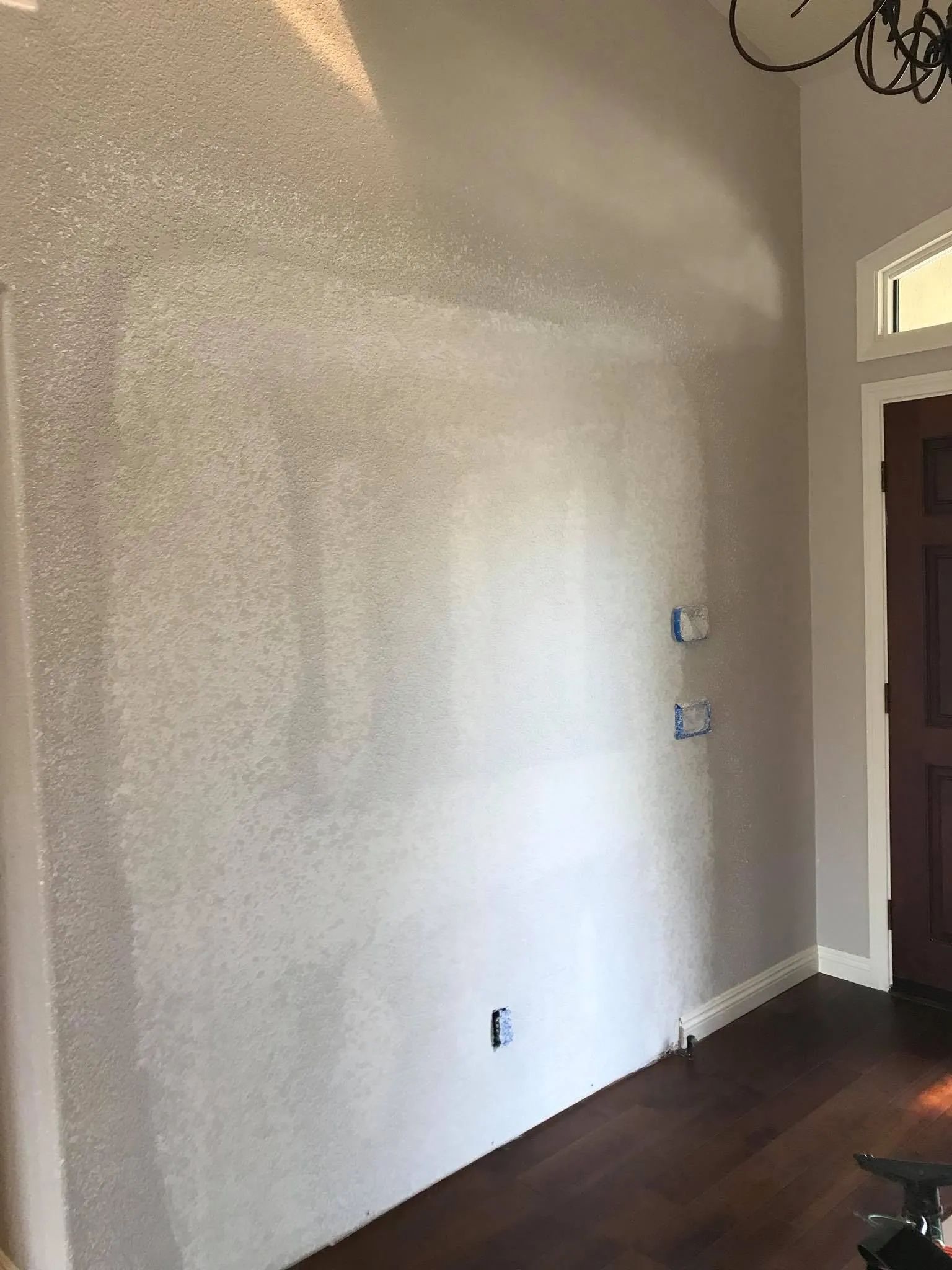
Drywall finishing, the process of taping, mudding, and sanding seams to create smooth, flawless walls, may appear straightforward to the casual observer. With a handful of tutorials, basic tools, and a little confidence, many homeowners believe they can achieve professional-quality results on their own. However, drywal
A wall with textured, speckled paint; lower portion is lighter. Dark wood floor and door on the right.
February 18, 2026
When it comes to interior design, the walls of your home or commercial space play a critical role in shaping the overall aesthetic and ambiance. Beyond paint color and finishes, the texture of drywall can dramatically influence the look, feel, and even perception of space within a room.
Empty garage with built-in wooden shelves along the walls, a ladder, and a garage door opener.
January 15, 2026
Garages have long been considered purely functional spaces, often overlooked in home improvement projects. They serve as storage areas, workshops, or vehicle shelters, and their interior aesthetics are frequently neglected.
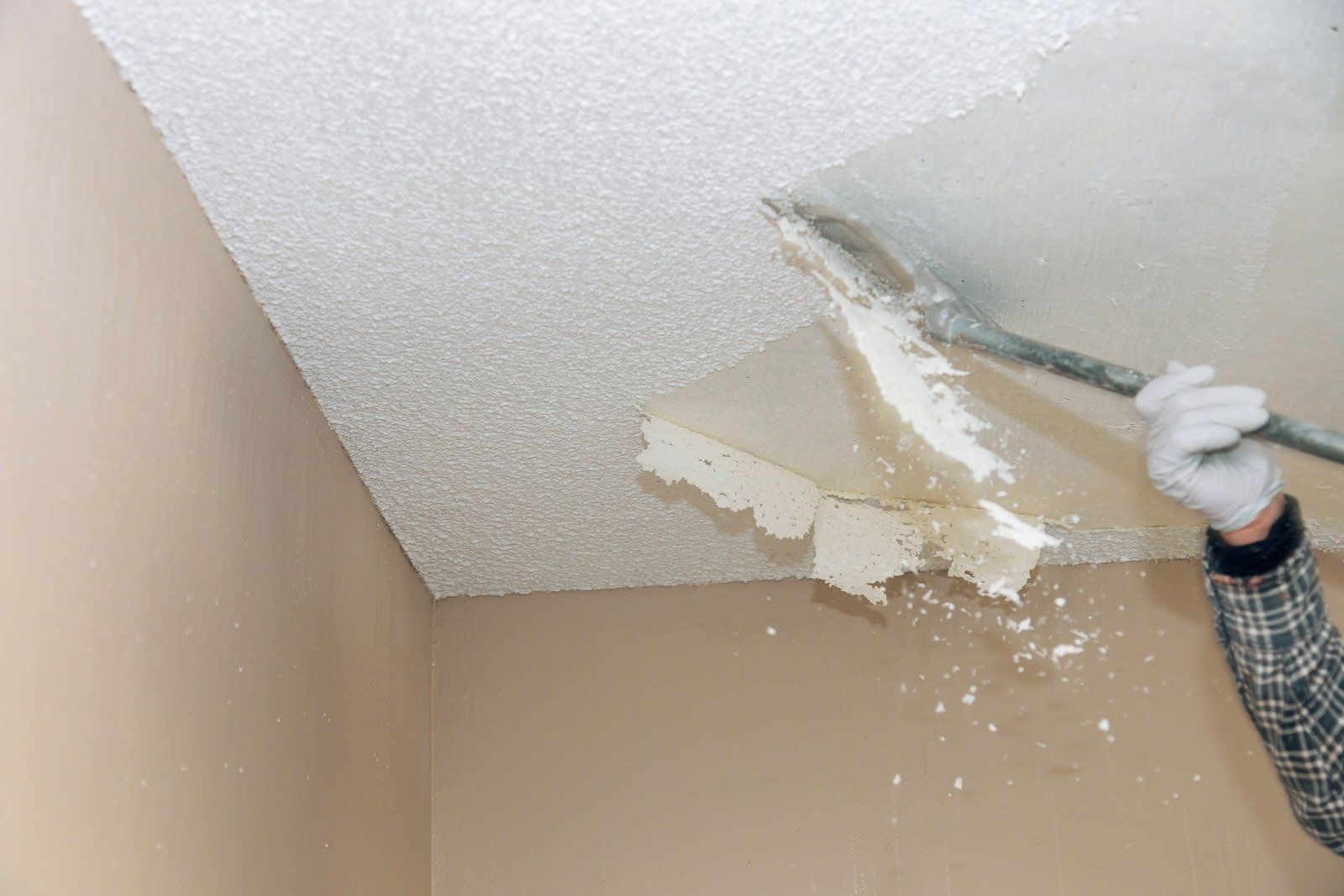
Person scrapes textured ceiling with a scraper, removing popcorn texture. Beige walls surround.
December 23, 2025
Popcorn ceilings, once a popular architectural trend in the mid-to-late 20th century, have long since fallen out of favor. Initially prized for their ability to hide imperfections, provide sound insulation, and offer a textured aesthetic, these ceilings now often appear outdated and less practical compared to modern al
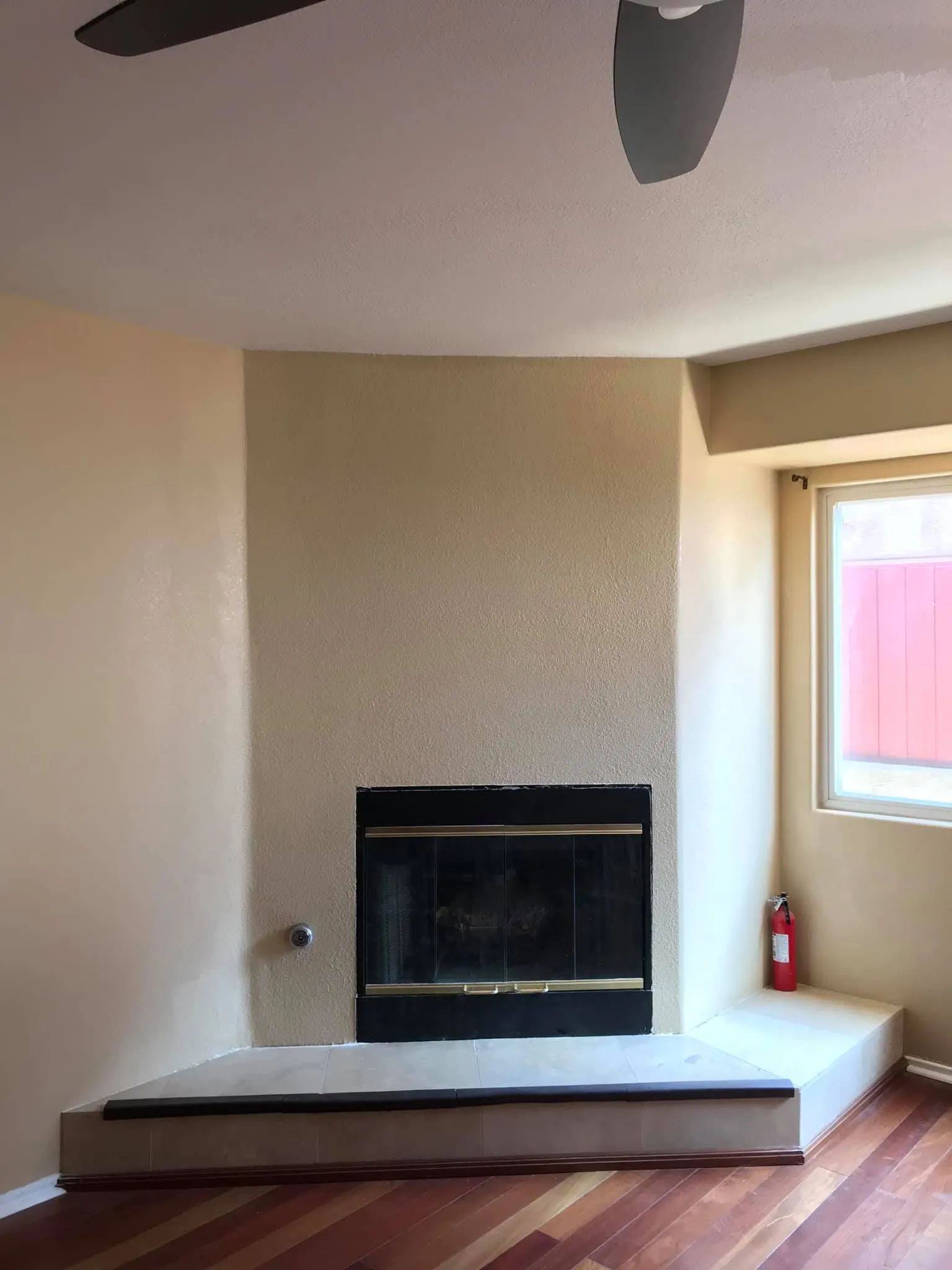
Fireplace with black surround, beige wall, and wood floor.
November 19, 2025
When it comes to drywall repair, most homeowners focus on fixing cracks, holes, or water damage. However, the real challenge lies in making the repaired area blend flawlessly with the existing wall. That’s where texture matching comes in.
Interior room with unfinished drywall on walls and ceiling; window and concrete floor.
October 15, 2025
Drywall may seem like a passive part of your home, but it’s quietly doing a lot, supporting paint, insulation, soundproofing, and even structural integrity. Over time, though, even the best drywall can develop problems that shouldn’t be ignored.
Interior of a room under construction, with drywall installed on walls and ceiling; recessed lighting fixtures.
September 22, 2025
Ceiling cracks are one of those things you notice when you're lying in bed or relaxing on the couch, and once you see them, you can’t unsee them. While some cracks are harmless and cosmetic, others may signal deeper structural problems. Understanding the cause is the first step to finding the right fix.
Interior view with painted walls, patching, and a sliding glass door.
August 26, 2025
Small holes, cracks, or dents in your drywall might seem like cosmetic issues, but they can lead to much bigger problems if ignored. From poor insulation to structural stress, even minor wall damage can impact the comfort, safety, and value of your home.
Show More