Is Popcorn Ceiling Dangerous? What Homeowners Need to Know About Asbestos and Removal

June 15, 2026

Walk into an older home and you will almost certainly spot it overhead: a rough, bumpy ceiling texture that looks like cottage cheese or a field of tiny peaks. Popcorn ceilings, also called acoustic or stucco ceilings, were widely used across American homes from the 1950s through the late 1980s. Contractors and builders loved them because they were fast to apply, hid surface imperfections, and offered modest sound absorption. For decades, millions of homeowners lived beneath them without a second thought.


Then came the question that still circulates in real estate conversations, renovation planning, and home inspection reports: are these ceilings actually dangerous? The short answer is that it depends entirely on when your home was built and whether the material contains asbestos. Understanding the difference between a harmless textured ceiling and a genuine health hazard is not just a renovation consideration. It is a safety decision that affects everyone inside the home. This guide walks through what popcorn ceilings are made of, how to identify risk, and what responsible removal actually looks like.

The Asbestos Connection — Why Popcorn Ceilings Became a Concern

What Was in the Original Mix

Before the U.S. Environmental Protection Agency restricted its use in ceiling products in 1977, many popcorn ceiling sprays contained chrysotile asbestos, the most common form of the mineral. Manufacturers added it because asbestos fibers are heat resistant, durable, and bind well with other materials. In some cases, asbestos made up as much as 10 percent of the total product by weight.


When asbestos fibers are locked inside an undisturbed material, they pose minimal immediate risk. The danger emerges when the material becomes friable, meaning it can be crumbled, sanded, or disturbed by hand. Friable asbestos releases microscopic fibers into the air. Once inhaled, those fibers can lodge permanently in lung tissue and, over years or decades, contribute to serious conditions including mesothelioma, asbestosis, and lung cancer.

The 1977 Rule and What It Did Not Cover

The EPA ban on asbestos in spray-applied surfacing materials took effect in 1977, but it did not require the immediate removal of existing products already installed. Builders were still permitted to use up remaining stock of pre-ban material, which means homes constructed as late as 1979 or even into the early 1980s in some regions may still contain asbestos popcorn ceilings. If your home was built before 1980, the ceiling texture must be tested before any sanding, scraping, or renovation work begins.

How to Know If Your Popcorn Ceiling Contains Asbestos

Visual Inspection Is Not Enough

No reliable method exists for identifying asbestos by sight. The fibers are microscopic, and asbestos-containing products look identical to non-asbestos versions. Some homeowners assume that a bright white, smooth-looking texture is safe while a yellowed or older-looking ceiling must be dangerous. Neither assumption is accurate.


The only way to confirm the presence or absence of asbestos is through laboratory testing by a certified professional.

The Testing Process

A licensed asbestos inspector or industrial hygienist will collect one or more small samples from the ceiling using proper containment procedures. Those samples are sent to an accredited laboratory that analyzes them under polarized light microscopy. Results are typically returned within a few days and clearly identify whether asbestos fibers are present and at what percentage.


Homeowners should never attempt to collect samples themselves. Improper sampling can release fibers into the home and expose occupants to the very risk they were trying to assess.

What the Results Mean

Test Result Asbestos Content Recommended Action
Negative No asbestos detected Removal can proceed with standard precautions
Positive, non-friable Present but stable Leave undisturbed or hire licensed abatement contractor
Positive, friable Present and crumbling Immediate licensed abatement required

When a Popcorn Ceiling Is Safe to Leave Alone

  • The Case for Encapsulation:- Not every popcorn ceiling that tests positive for asbestos requires immediate removal. If the ceiling is in good condition, firmly bonded to the surface above, and unlikely to be disturbed by renovation work, many environmental professionals recommend encapsulation over removal. Encapsulation involves applying a specialized sealant over the existing texture, locking the asbestos fibers in place and preventing any potential release.

    Encapsulation is appropriate when the ceiling shows no signs of peeling, water damage, or crumbling. It is a legitimate remediation strategy recognized by the EPA and is often the more practical approach for areas of the home that will not undergo major renovation.


  • When Leaving It Alone Is Not an Option:- Several situations make removal necessary rather than optional. These include planned renovation work that will disturb the ceiling, visible deterioration or peeling caused by water intrusion or age, and the sale of a property where disclosure requirements and buyer inspections create pressure to resolve known hazards. In these cases, abatement is the correct path forward.

The Removal Process — What It Actually Involves

If the Ceiling Tests Negative for Asbestos

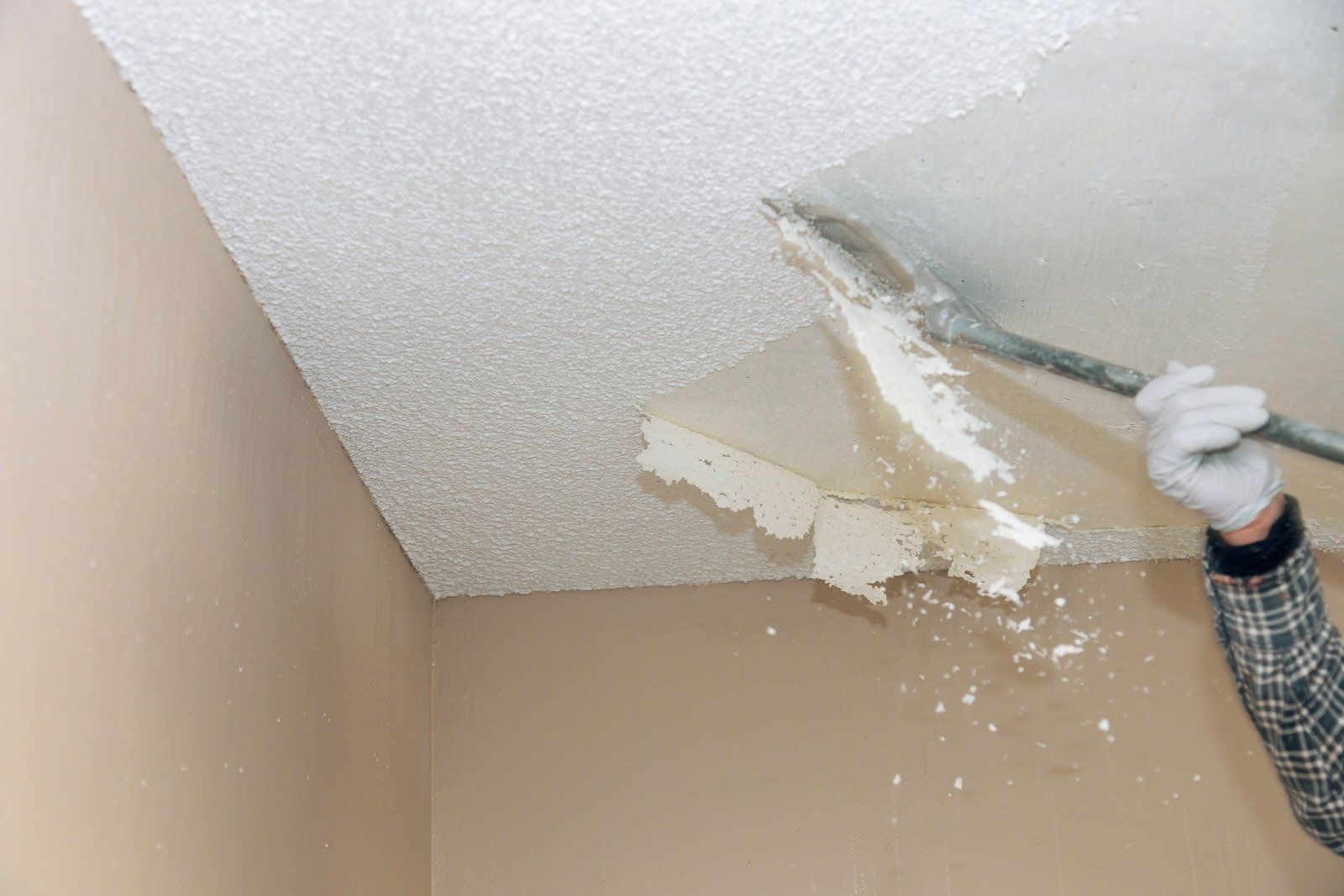
Popcorn ceilings that contain no asbestos can still be removed, and many homeowners choose to do so for purely aesthetic reasons. In this case, removal is a standard drywall task. The texture is typically wetted down with a garden sprayer and scraped away with a wide blade. The ceiling is then skim coated and sanded smooth. While this is less hazardous than asbestos abatement, proper dust containment and eye protection remain important throughout the process.

Health Risks Beyond Asbestos

  • Lead Paint and Popcorn Ceilings:- Homes built before 1978 may also have lead-based paint applied over or under the popcorn texture. When ceilings are scraped or sanded, lead particles can become airborne and settle on surfaces throughout the home. Children and pregnant women are particularly vulnerable to lead exposure. A full hazard assessment before any ceiling work should include both asbestos and lead testing.


  • Mold Behind Deteriorating Texture:- Water damage is another concern with older popcorn ceilings. The texture can absorb moisture from roof leaks or bathroom condensation, and the material sitting against the drywall above can harbor mold growth that remains hidden until removal. If a ceiling shows staining, bubbling, or soft spots, mold testing alongside asbestos testing is a reasonable precaution.

Trusted Ceiling Experts Ramona Homeowners Have Relied On

Popcorn ceilings are not automatically dangerous, but they carry real risks that deserve informed attention. The core factors that determine hazard level are the age of the installation, the presence of asbestos, the condition of the material, and whether any work is planned that would disturb the surface. Testing is the essential first step. No responsible contractor should begin scraping or sanding a ceiling in a pre-1980 home without confirmed test results. For ceilings that do contain asbestos, encapsulation and licensed abatement are both legitimate options depending on the specific situation. Beyond asbestos, lead paint and mold add additional layers of consideration that homeowners should address before any renovation proceeds. Taking the time to assess the ceiling properly protects not just the people living in the home during renovation but everyone who will occupy the space going forward. Knowledge and preparation are the most practical tools available.


At Gabe's Drywall, we bring 20 years of hands-on experience to ceiling work across Ramona, California and the surrounding region. We understand the specific challenges that come with older homes, including how to approach popcorn ceiling removal safely, what proper surface preparation looks like before any finishing work begins, and how to deliver a clean, smooth result that genuinely transforms a room. Our work follows established safety standards, and we approach every project with the kind of care that comes from two decades of real-world trade experience. If you are ready to update your ceilings or need guidance on what your next step should be after testing, we are the team Ramona homeowners have relied on for years. Reach out to Gabe's Drywall to discuss your project.

Frequently Asked Questions

  • 1. How do I know if my popcorn ceiling has asbestos?

    The only reliable method is laboratory testing by a licensed asbestos inspector. Visual inspection cannot identify asbestos, so any ceiling in a home built before 1980 should be tested before any scraping or sanding begins.

  • 2. Can I remove popcorn ceiling myself if it tests negative for asbestos?

    Yes, non-asbestos popcorn ceiling can be removed as a DIY project with proper dust containment, eye protection, and surface preparation. However, professional removal typically produces cleaner results and reduces the risk of damaging the drywall underneath.

  • 3. What does asbestos abatement involve?

    Licensed abatement contractors seal off the work area, use negative air pressure equipment, wear full protective gear, and dispose of hazardous material at certified facilities. The process ends with air clearance testing to confirm the space is safe for reoccupancy.

  • 4. Is it safe to live in a home with an asbestos popcorn ceiling?

    If the ceiling is in good condition and undisturbed, the risk is generally considered low. The danger increases significantly when the material is damaged, crumbling, or about to be disturbed by renovation work.

  • 5. What is encapsulation, and is it a good option?

    Encapsulation means applying a sealant over the existing texture to lock asbestos fibers in place. It is a recognized alternative to removal when the ceiling is stable and no renovation is planned. An environmental professional should assess whether the ceiling qualifies for this approach.

Hallway with wooden door, white walls, framed art, and runner rug.
July 6, 2026
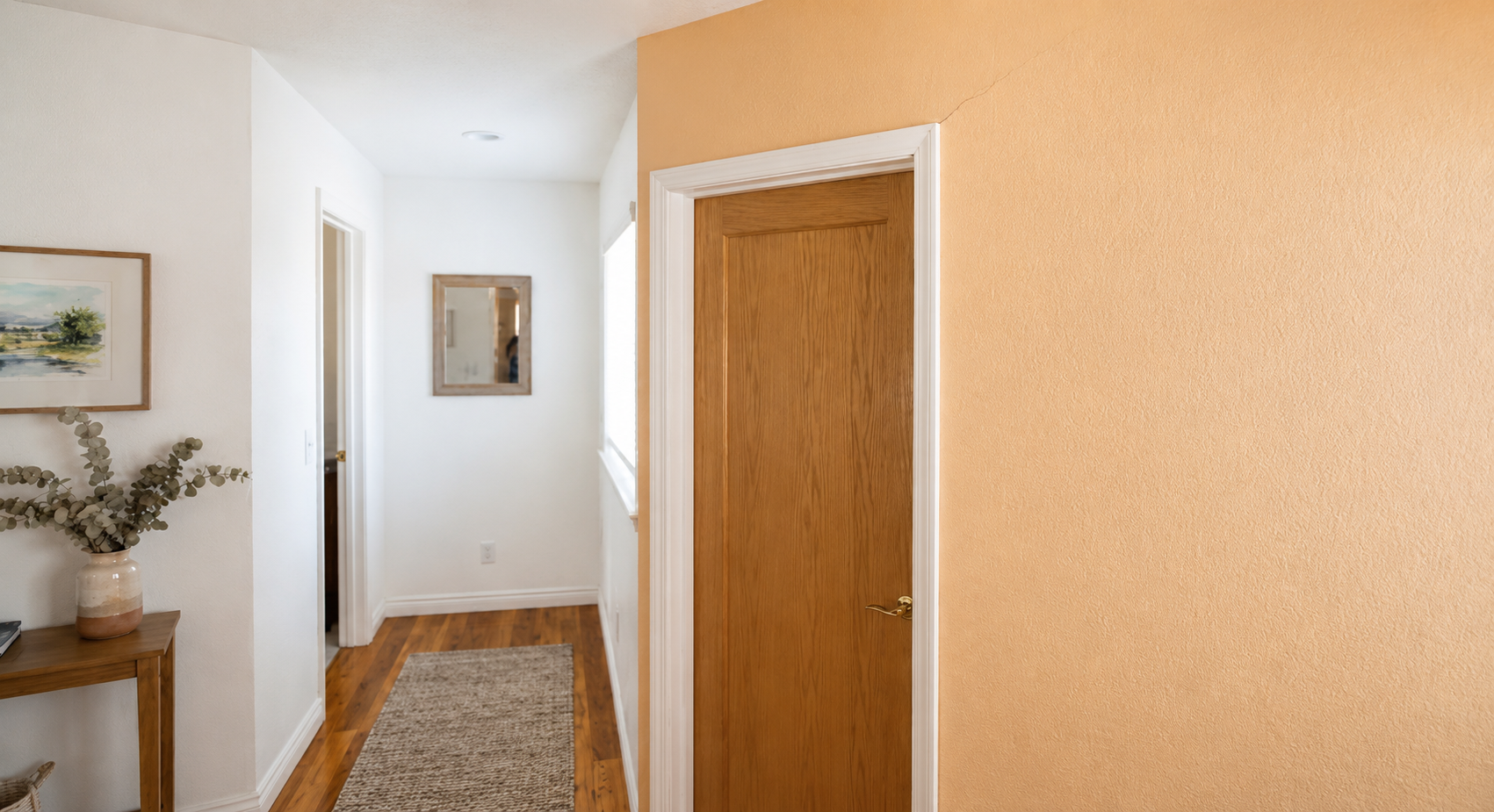
Hairline cracks above doorways are due to settling. Get expert drywall repair to prevent future issues. Contact us today!
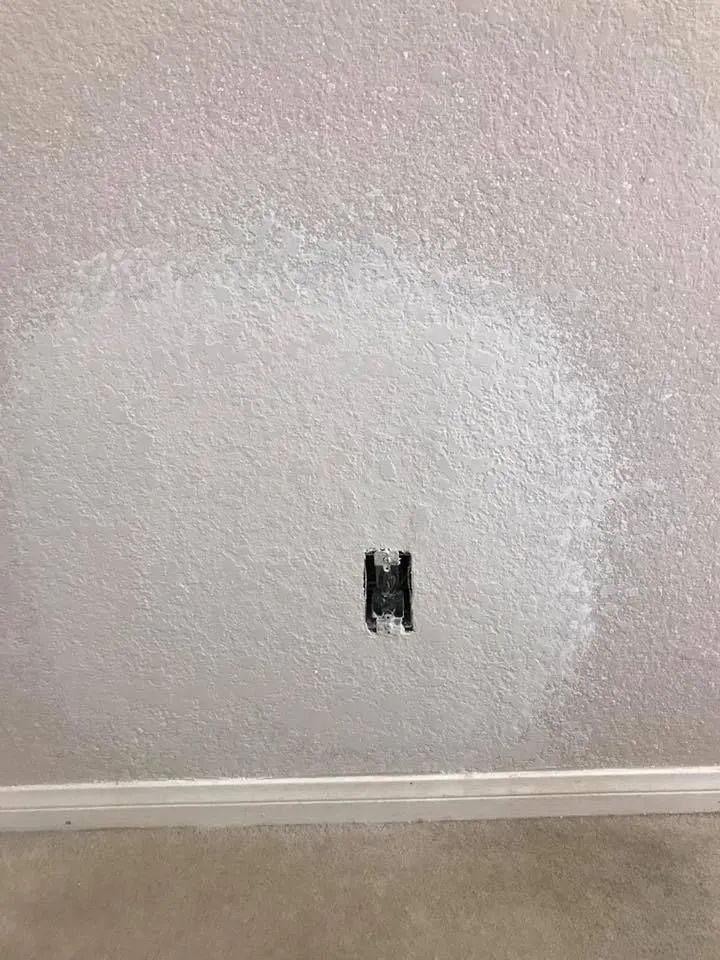
Textured beige wall with a small black electrical outlet opening near the floor.
May 30, 2026
Wall texture plays a major role in the overall appearance of any residential or commercial interior. Even small drywall repairs can become highly noticeable when the surrounding texture does not blend properly with the existing surface.
An interior room under renovation with drywall patches on the wall, drop cloths on the floor, and painting supplies.
April 17, 2026
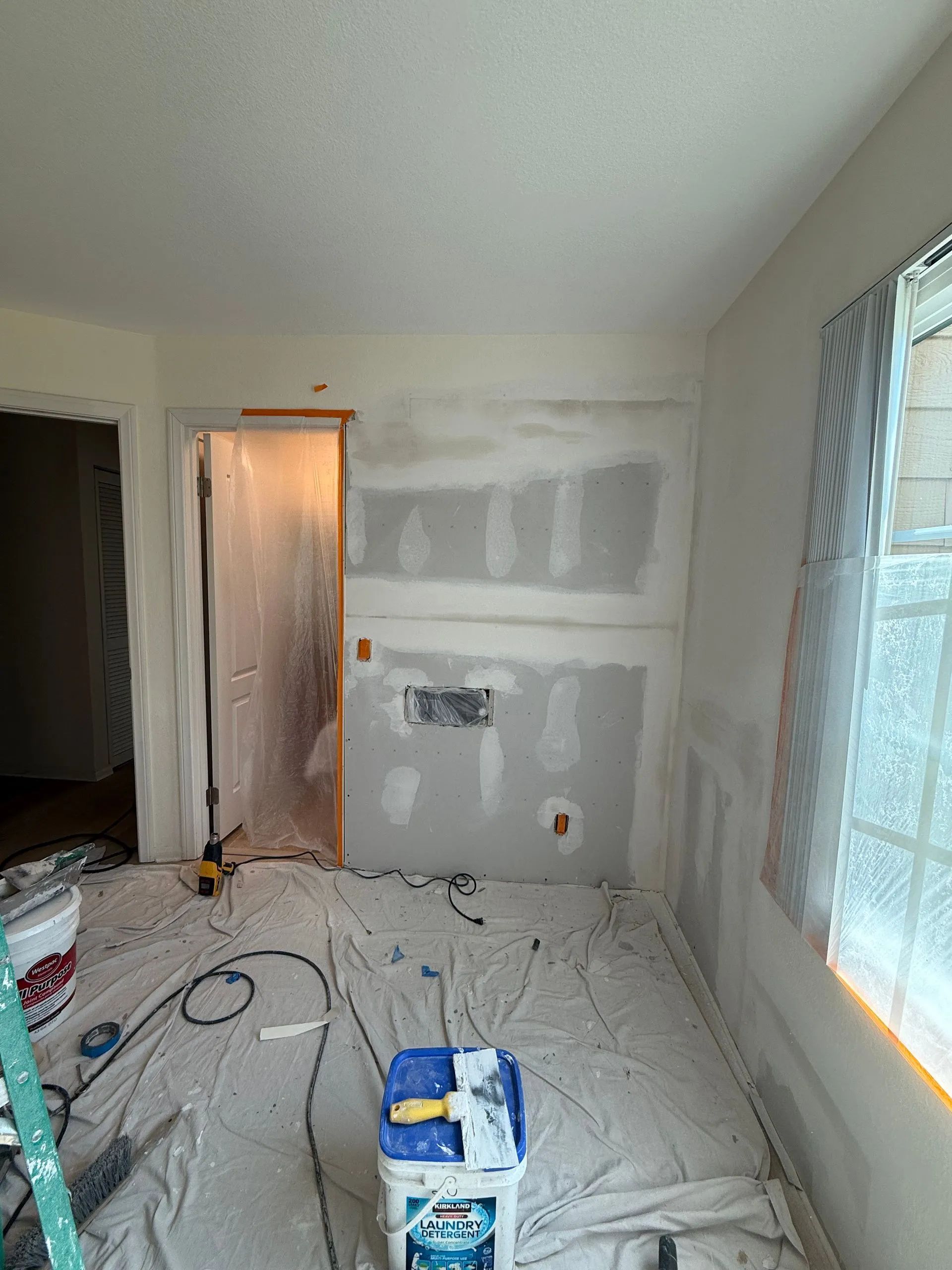
Drywall issues are among the most common interior problems faced in residential and commercial spaces, yet deciding between repair and full replacement is rarely straightforward. Cracks, dents, moisture stains, and structural damage often appear similar on the surface, but the underlying causes can vary significantly.
A wood-framed door with a frosted glass insert, set in a partially painted interior wall next to dark wood cabinets.
March 16, 2026
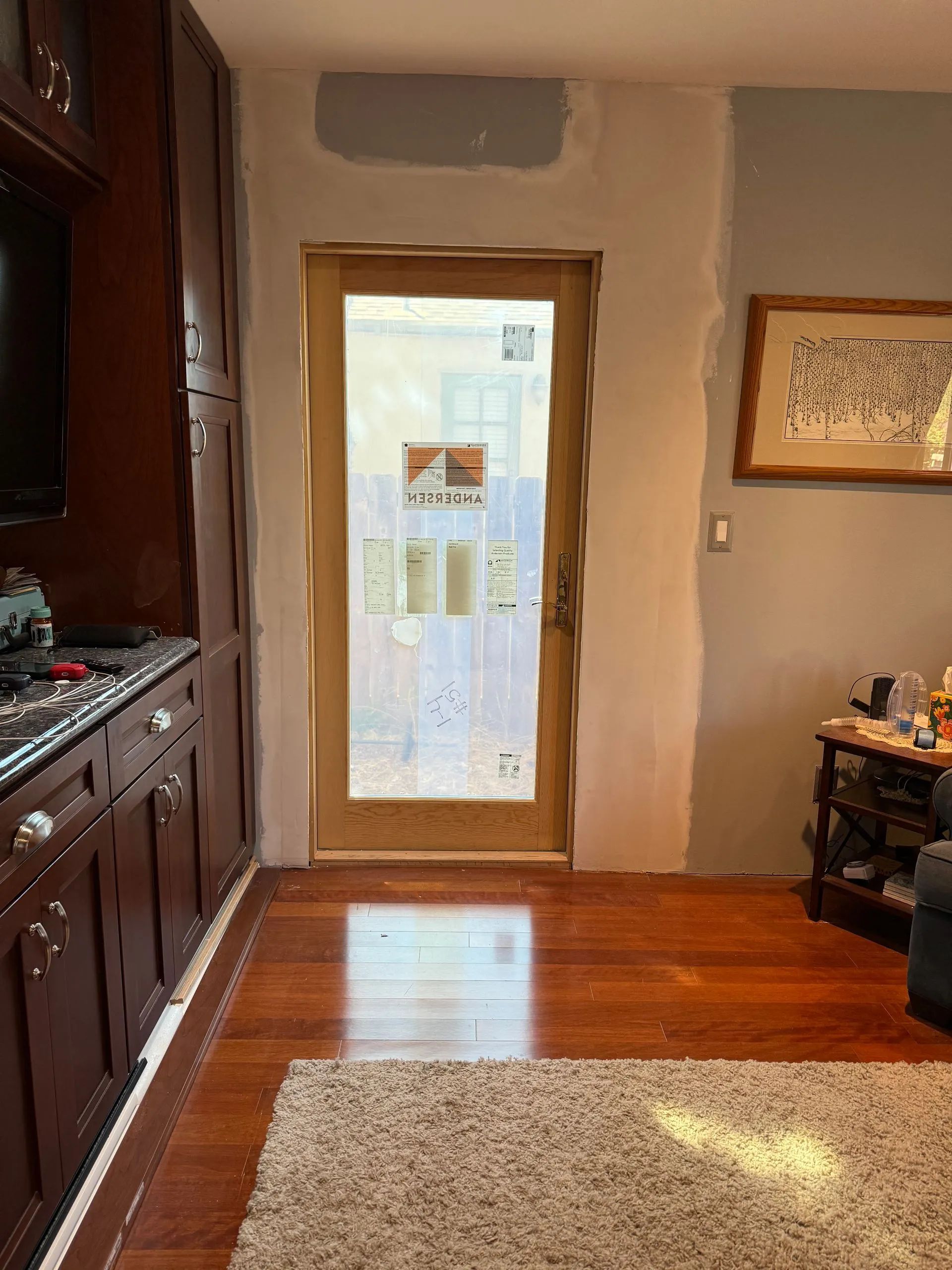
Drywall finishing, the process of taping, mudding, and sanding seams to create smooth, flawless walls, may appear straightforward to the casual observer. With a handful of tutorials, basic tools, and a little confidence, many homeowners believe they can achieve professional-quality results on their own. However, drywal
A wall with textured, speckled paint; lower portion is lighter. Dark wood floor and door on the right.
February 18, 2026
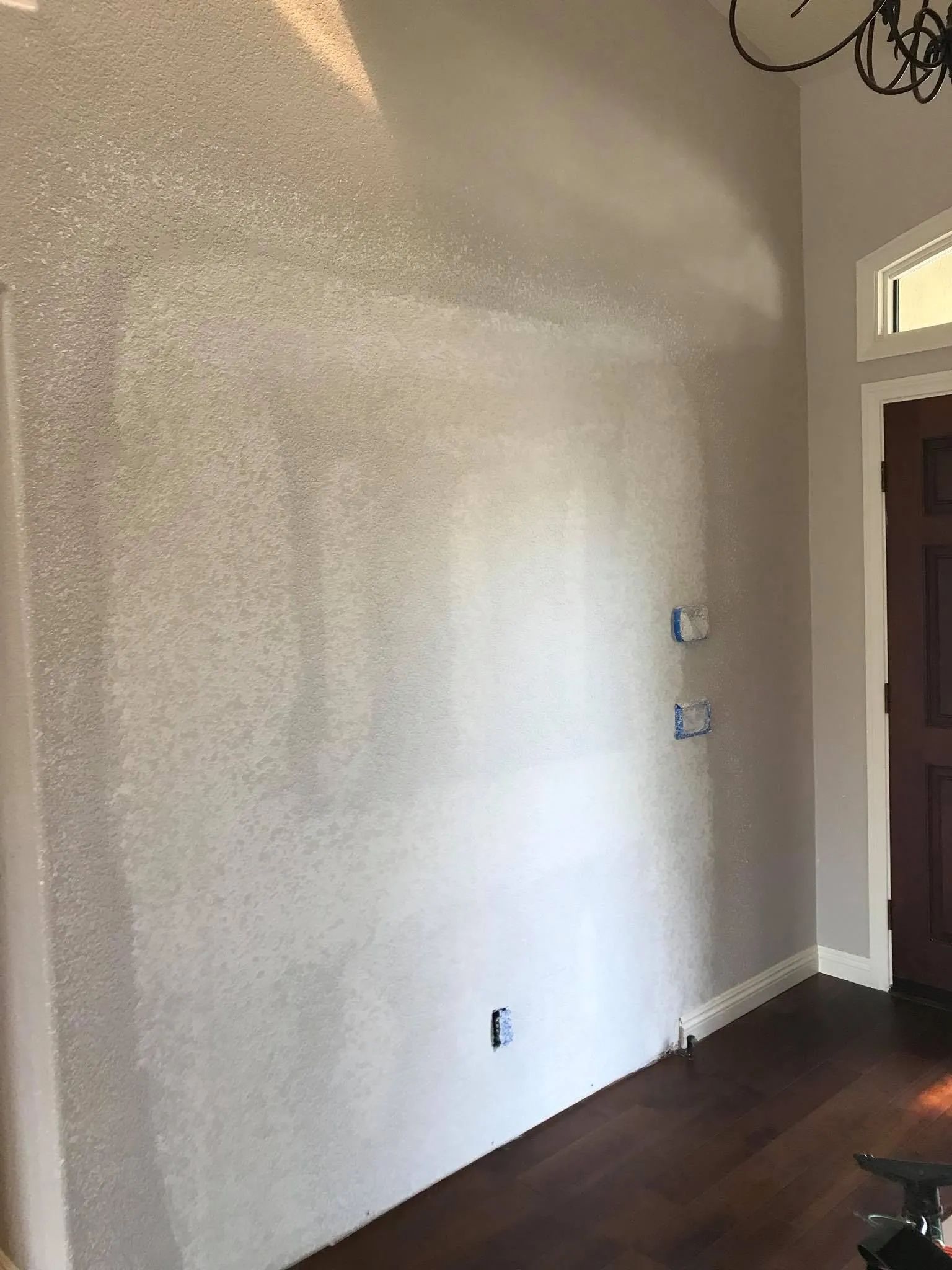
When it comes to interior design, the walls of your home or commercial space play a critical role in shaping the overall aesthetic and ambiance. Beyond paint color and finishes, the texture of drywall can dramatically influence the look, feel, and even perception of space within a room.
Empty garage with built-in wooden shelves along the walls, a ladder, and a garage door opener.
January 15, 2026
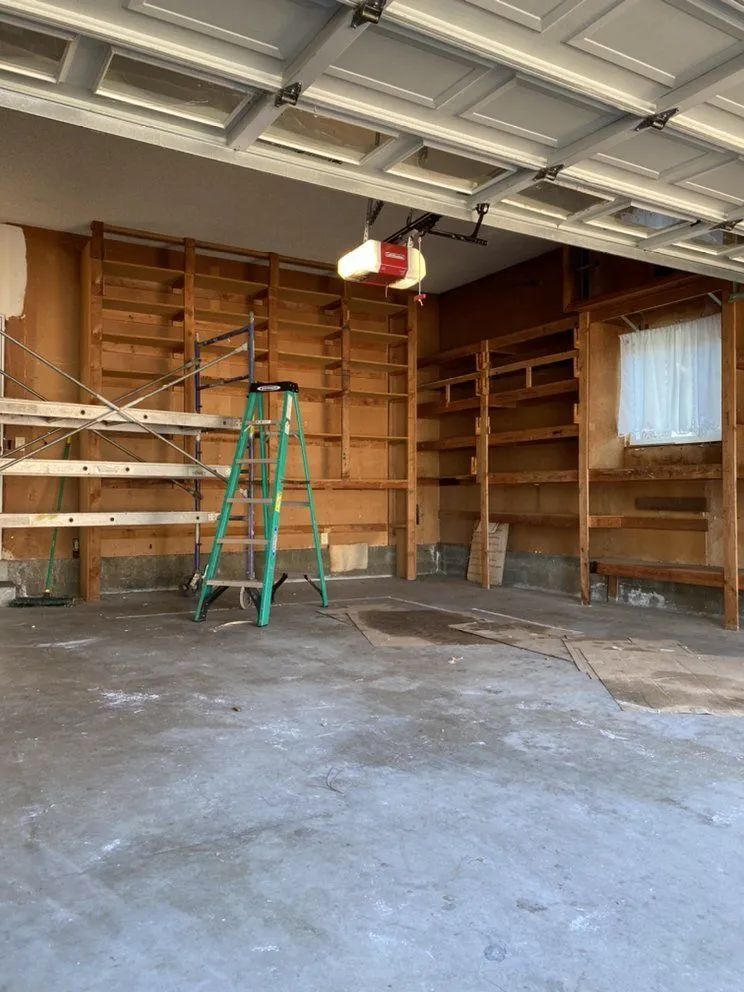
Garages have long been considered purely functional spaces, often overlooked in home improvement projects. They serve as storage areas, workshops, or vehicle shelters, and their interior aesthetics are frequently neglected.
Person scrapes textured ceiling with a scraper, removing popcorn texture. Beige walls surround.
December 23, 2025
Popcorn ceilings, once a popular architectural trend in the mid-to-late 20th century, have long since fallen out of favor. Initially prized for their ability to hide imperfections, provide sound insulation, and offer a textured aesthetic, these ceilings now often appear outdated and less practical compared to modern al
Fireplace with black surround, beige wall, and wood floor.
November 19, 2025
When it comes to drywall repair, most homeowners focus on fixing cracks, holes, or water damage. However, the real challenge lies in making the repaired area blend flawlessly with the existing wall. That’s where texture matching comes in.
Interior room with unfinished drywall on walls and ceiling; window and concrete floor.
October 15, 2025
Drywall may seem like a passive part of your home, but it’s quietly doing a lot, supporting paint, insulation, soundproofing, and even structural integrity. Over time, though, even the best drywall can develop problems that shouldn’t be ignored.
Show More