Drywall Texture Styles Explained: From Smooth to Knockdown
When it comes to interior design, the walls of your home or commercial space play a critical role in shaping the overall aesthetic and ambiance. Beyond paint color and finishes, the texture of drywall can dramatically influence the look, feel, and even perception of space within a room. From sleek, modern surfaces to intricate, dimensional patterns, drywall textures offer homeowners and designers an array of options to complement architectural features, furniture, and lighting. Choosing the right texture is not just about style—it also impacts maintenance, acoustics, and durability. For this reason, understanding the different drywall texture styles available is essential before embarking on a renovation or new construction project.
In the construction and remodeling industry, drywall texture is both an art and a science. Each style carries its own set of advantages, challenges, and installation techniques, and selecting the appropriate texture requires careful consideration of the room’s purpose, design goals, and long-term upkeep. This guide explores the most common drywall textures, explaining how they are applied, their aesthetic effects, and practical considerations. Whether you’re a homeowner planning a remodel or a contractor seeking to expand your expertise, this comprehensive overview will help you make informed, confident decisions for your next project.
1. Smooth Drywall: The Modern Classic
What Is Smooth Drywall?
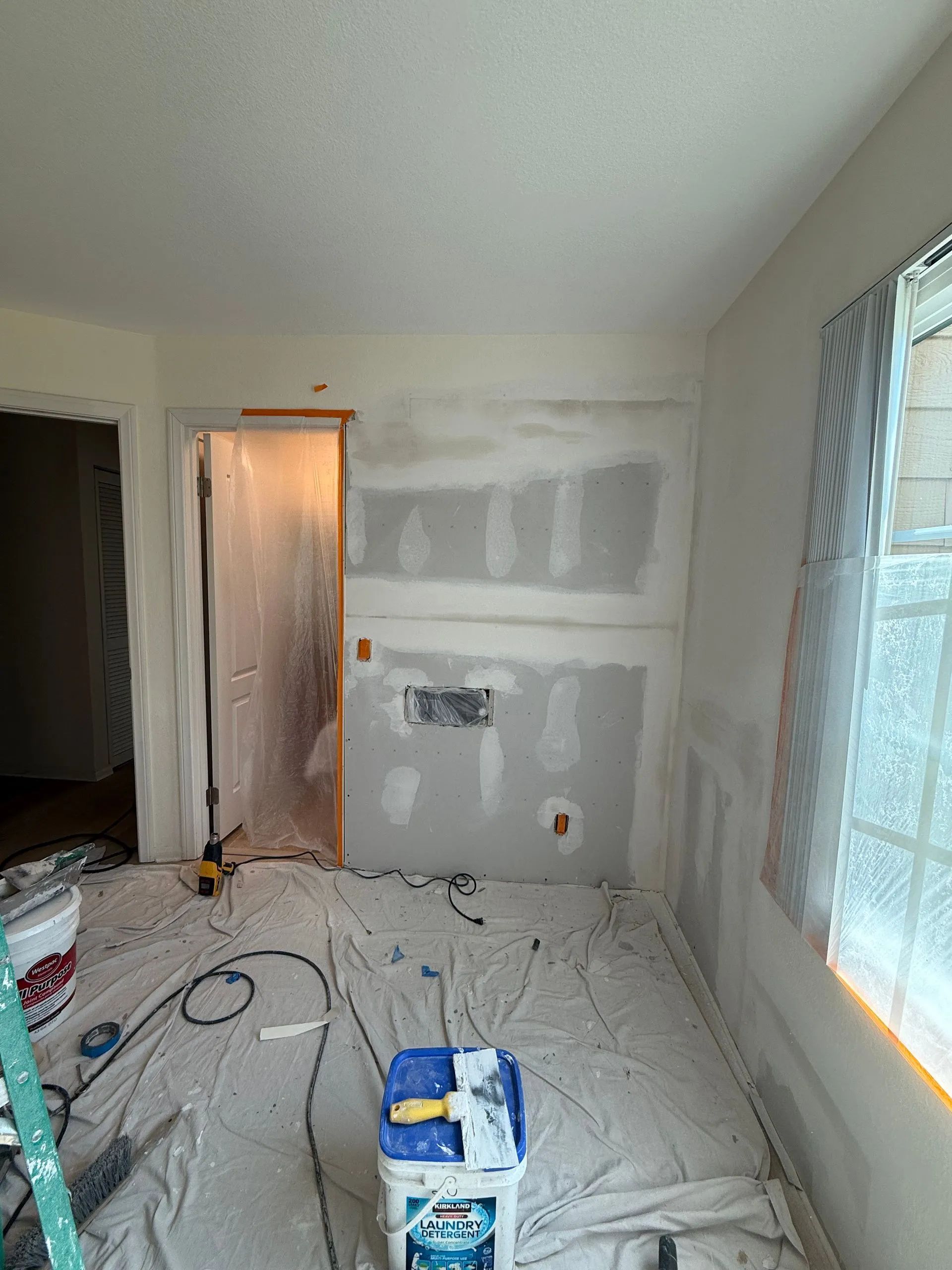
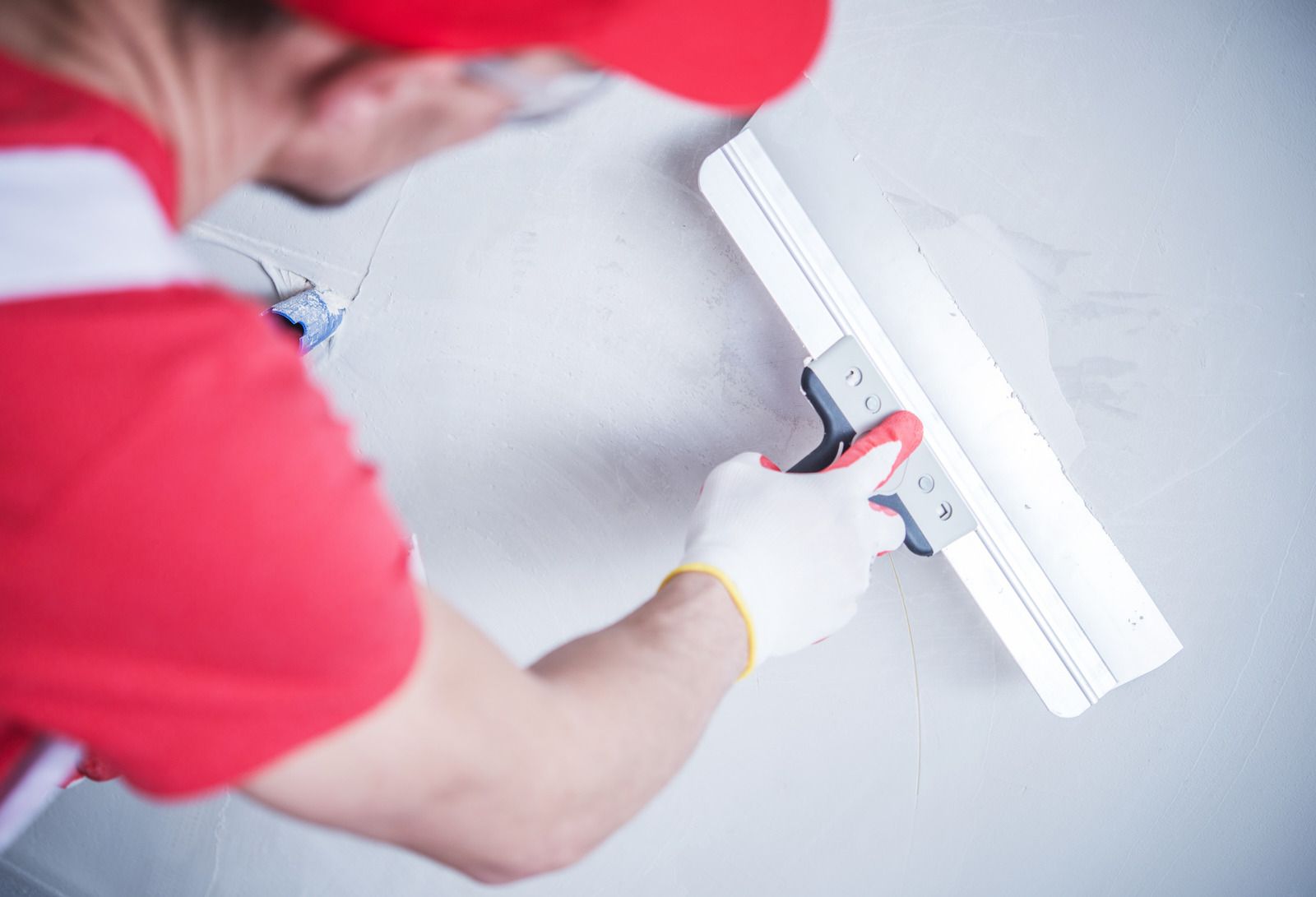
Smooth drywall is the most minimalist and contemporary approach to finishing walls and ceilings. As the name implies, it features a flat, uniform surface without any visible patterns or raised textures. Achieving a flawless smooth finish requires meticulous taping, mudding, sanding, and sometimes multiple layers of joint compound. The goal is to eliminate seams, imperfections, and bumps, creating a polished canvas ready for paint or wallpaper.
Benefits of Smooth Walls
Smooth drywall exudes modern elegance and versatility. It works well in contemporary and minimalist designs, allowing other decorative elements—such as moldings, artwork, or lighting—to stand out. Additionally, smooth surfaces are easier to clean, making them ideal for high-traffic areas, kitchens, and bathrooms. They also allow paint colors to appear more vibrant and consistent because there are no shadows or textures to distort the finish.
Challenges and Best Practices
The primary challenge of smooth drywall is achieving perfection. Even small imperfections in seams or sanding can become highly visible under certain lighting conditions. To ensure professional results, it is crucial to use high-quality joint compound, proper sanding tools, and multiple coats of finish. Hiring experienced drywall professionals or investing time in proper preparation can make a substantial difference in the final appearance.
Real-World Application
Smooth drywall is commonly found in upscale residential homes, modern office spaces, and retail environments where a clean, unobtrusive backdrop is desired. It pairs exceptionally well with bold paint colors, textured flooring, or minimalist furnishings.
2. Orange Peel Texture: Subtle Yet Stylish
What Is Orange Peel Texture?
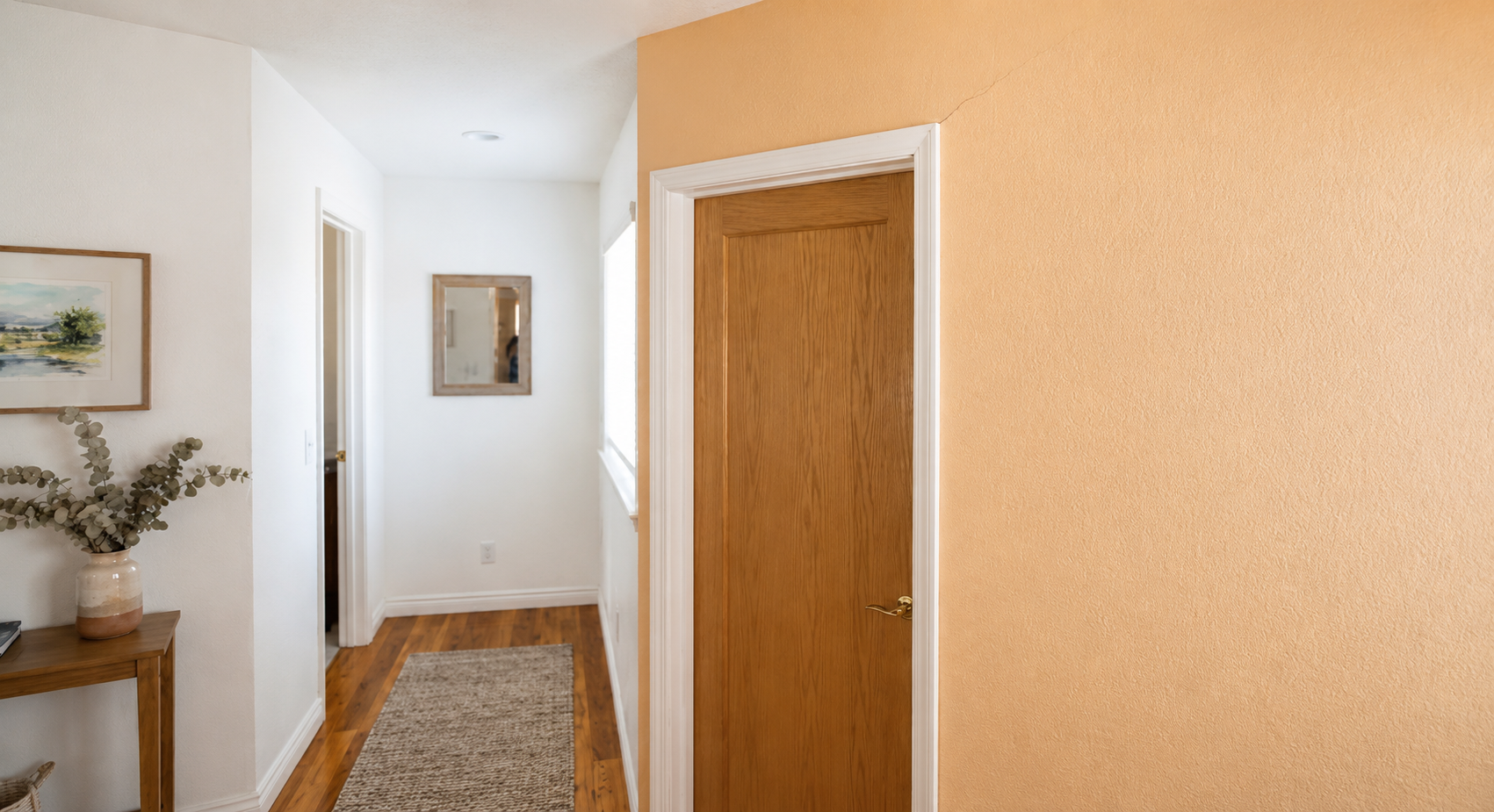
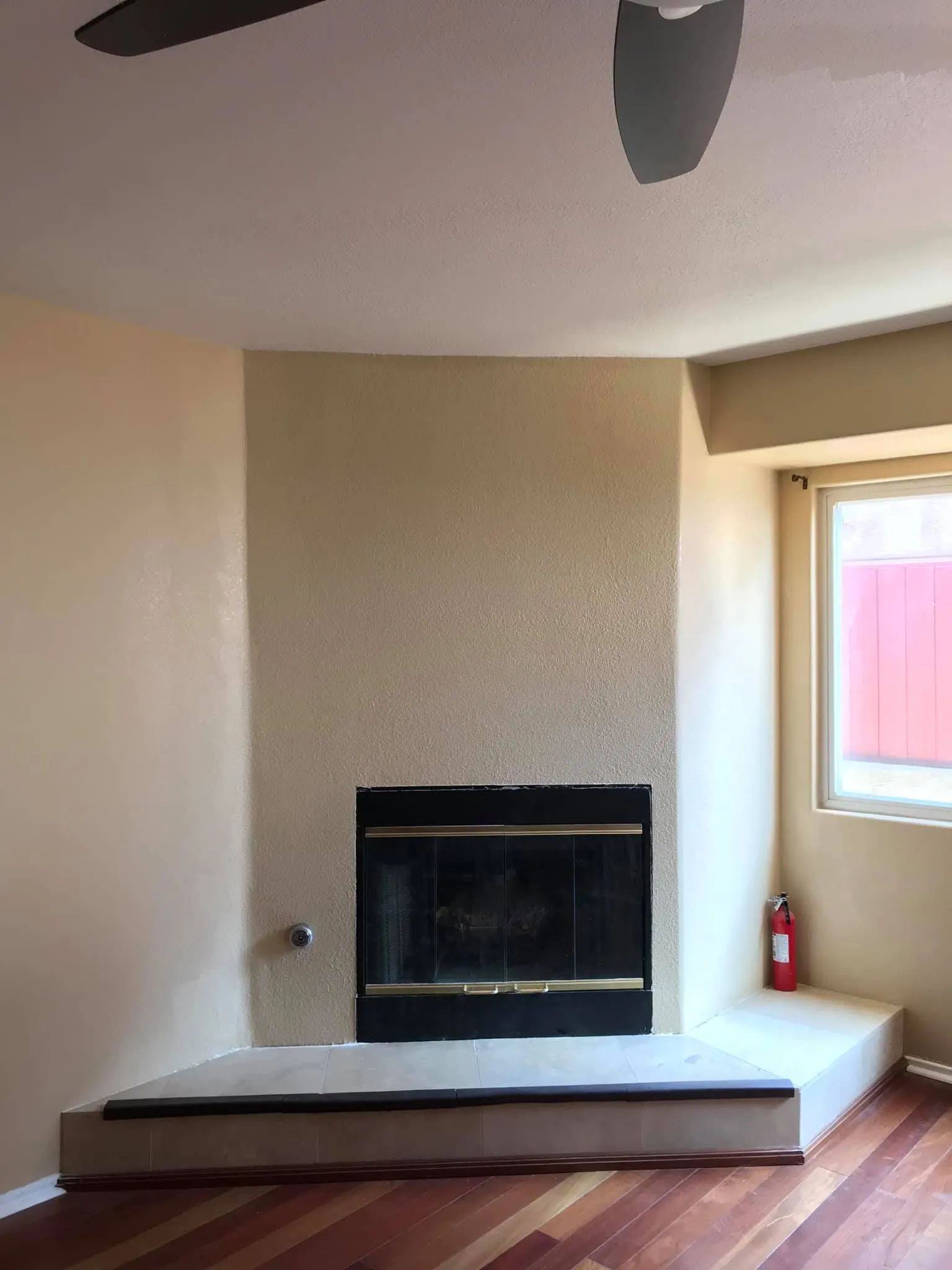
Orange peel texture is named for its resemblance to the slightly dimpled surface of an orange peel. This style is created by spraying a thinned drywall compound onto walls or ceilings using a hopper gun. Once applied, the material dries with a subtle pattern of small bumps and dimples. Orange peel offers a balanced compromise between smooth and heavily textured finishes.
Advantages of Orange Peel
One of the key benefits of orange peel texture is its ability to hide minor imperfections in drywall. Small dents, scratches, or inconsistencies are less noticeable on a lightly patterned surface than on smooth drywall. Additionally, this texture can enhance a room’s visual depth without overwhelming the design, making it a popular choice for both residential and commercial applications.
Installation Considerations
Applying orange peel texture requires some skill to achieve uniformity across large surfaces. The mixture must be correctly thinned, and the spraying technique should maintain consistent pressure and distance from the wall. After drying, light sanding may be required in areas where the texture is too prominent or uneven.
Ideal Usage
Orange peel is commonly used in living rooms, hallways, and offices, offering a subtle texture that provides character while remaining unobtrusive. It’s also a cost-effective choice for homes undergoing repairs, as it can mask imperfections without extensive surface prep.
3. Knockdown Texture: Dimensional and Dynamic
Benefits of Knockdown
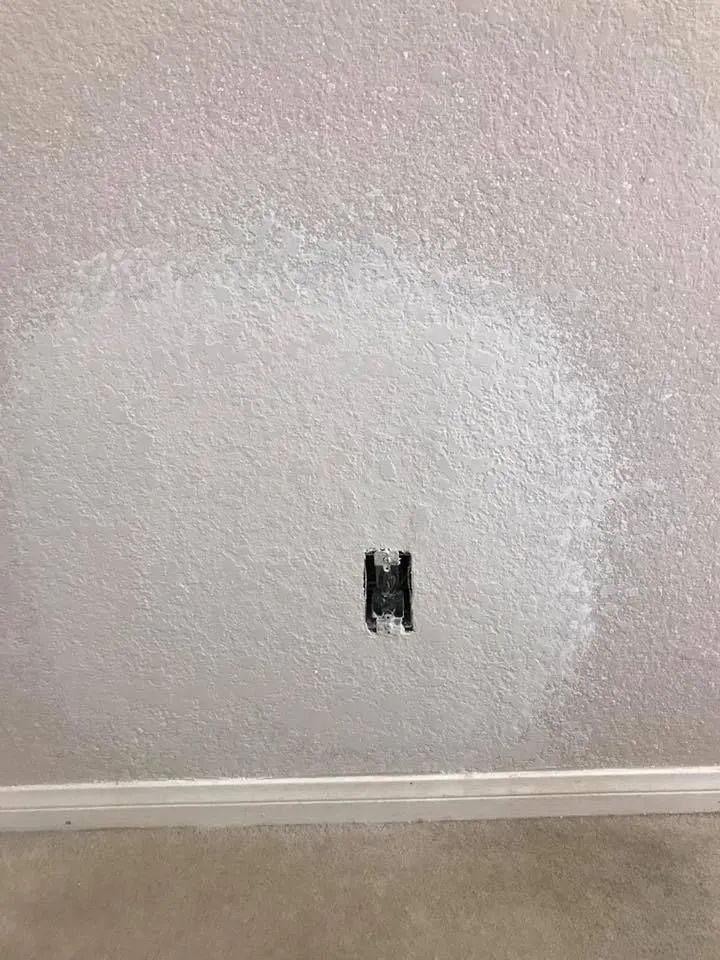
Knockdown texture is versatile and forgiving, making it one of the most popular choices for residential interiors. It conceals imperfections better than smooth drywall and introduces a tactile, decorative quality without appearing overly busy. Knockdown also works well with modern, rustic, or transitional design styles, depending on the size and spread of the pattern.
Challenges and Tips for Application
Consistency is critical with knockdown texture. Too much compound can create large clumps, while too little can result in an uneven pattern. Achieving a professional finish typically involves using quality tools, maintaining consistent spray pressure, and practicing proper timing when knocking down the peaks. Lighting should also be considered, as shadows can accentuate imperfections.
Real-Life Scenarios
Knockdown texture is widely used in homes across ceilings and accent walls. It pairs well with neutral paint colors, recessed lighting, and transitional décor, offering a subtle yet dynamic backdrop that enhances overall room character.
4. Popcorn and Acoustic Textures: Functional and Retro
What Is Popcorn Texture?
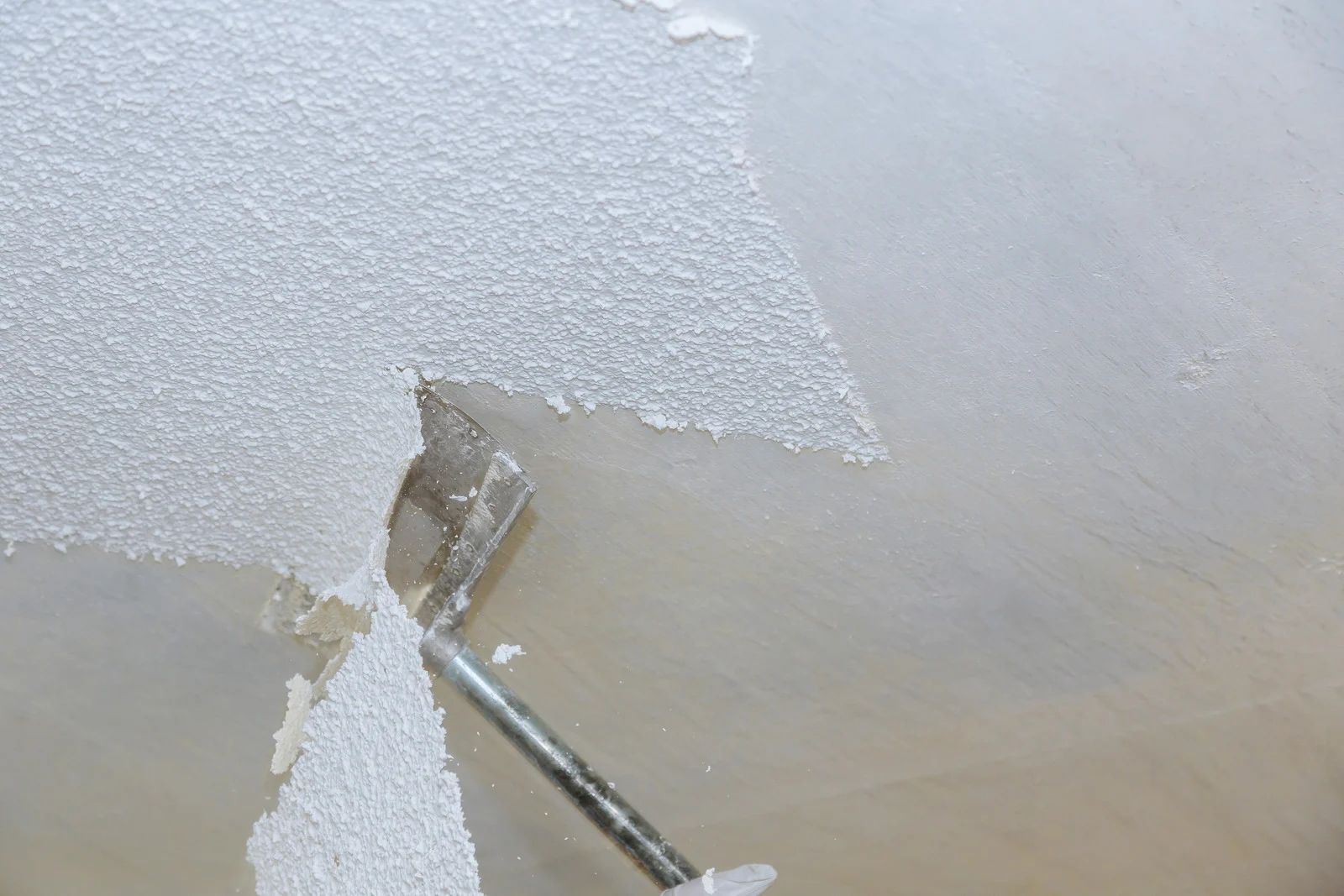
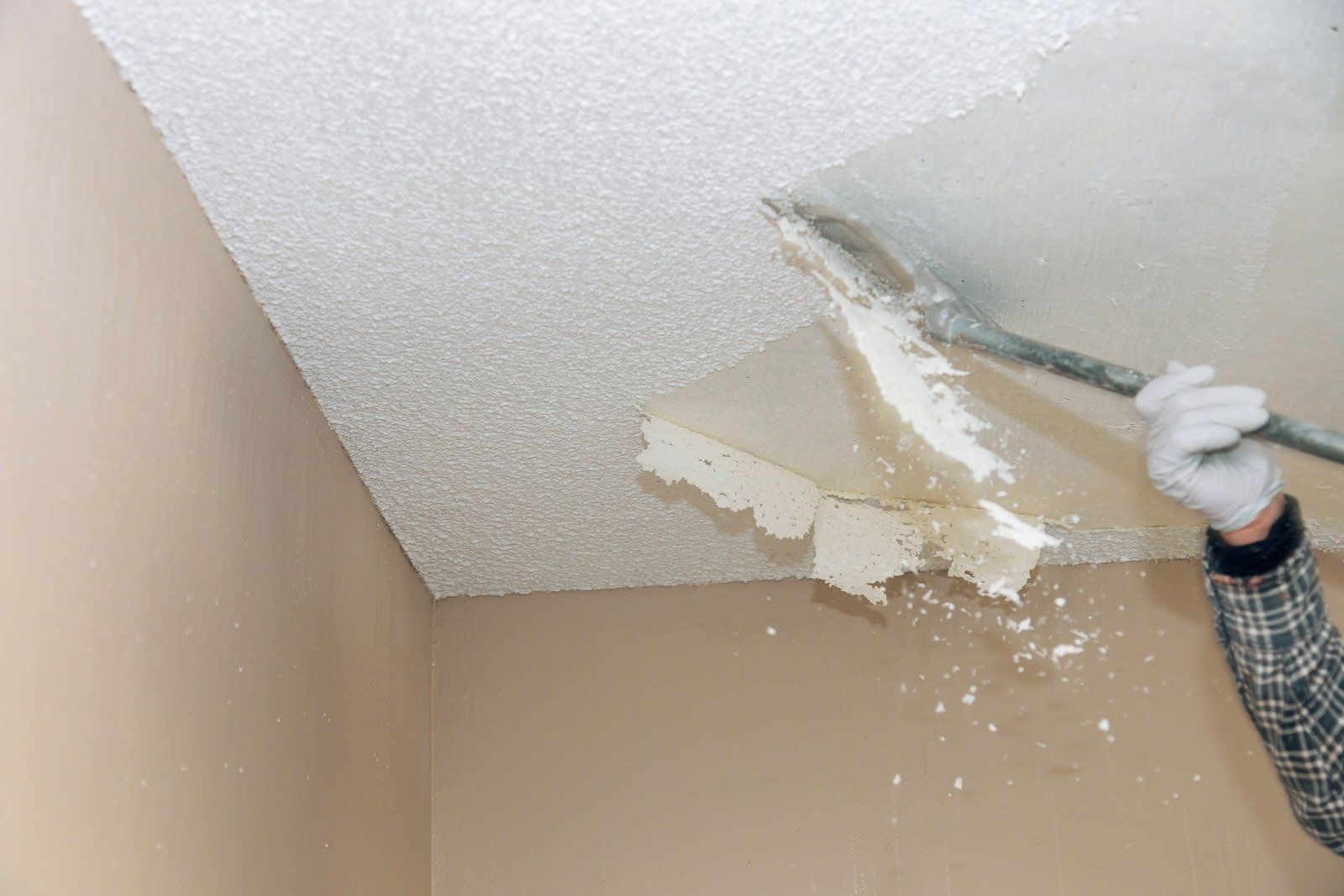
Popcorn texture, also known as acoustic or cottage cheese texture, became popular in mid-20th-century homes, primarily for ceilings. It involves spraying a thick, lumpy mixture onto the surface, creating a highly textured, bumpy finish. Historically, popcorn texture was valued for its sound-dampening properties and its ability to hide ceiling imperfections.
Advantages and Practical Use
Popcorn ceilings are effective in minimizing sound reflection, making them suitable for bedrooms, home theaters, and multi-level apartments. They also require minimal surface preparation, as imperfections in the ceiling are effectively hidden. For budget-conscious renovations, this style can be a quick way to finish ceilings without extensive labor.
Drawbacks and Modern Considerations
Despite its functional benefits, popcorn texture has fallen out of favor for modern interiors. It is difficult to clean, can trap dust and allergens, and often appears dated. Additionally, older popcorn finishes may contain asbestos, requiring professional testing and removal before renovation. Due to these factors, many homeowners are opting for smoother or knockdown alternatives during remodeling projects.
When to Use
Popcorn texture may still be appropriate in specific rental properties, commercial spaces, or areas where acoustic dampening is a priority. However, for modern design aesthetics, smoother or subtle textures are generally preferred.
5. Swirl and Skip Trowel Textures: Artistic Wall Statements
Swirl Texture Explained
Swirl texture involves creating circular or semi-circular patterns on drywall using a brush, trowel, or roller. This style is highly decorative and adds a sense of movement and artistry to walls or ceilings. Swirl textures can range from delicate, subtle patterns to bold, intricate designs depending on the thickness of the compound and the technique used.
Skip Trowel Texture
Skip trowel is another artistic approach, achieved by applying joint compound with a trowel in overlapping strokes, leaving behind a lightly raised, irregular pattern. This style works exceptionally well for feature walls or ceilings where the goal is to introduce dimension without overwhelming the space.
Benefits and Design Considerations
Both swirl and skip trowel textures provide a distinctive, custom look. They are excellent for accent walls, dining rooms, or areas meant to showcase architectural style. Additionally, these textures can mask surface imperfections while creating a tactile, engaging surface.
Challenges
The primary challenge with artistic textures is the skill required to achieve a balanced and appealing pattern. Uneven application or overworking the compound can lead to inconsistencies that distract rather than enhance the space. Hiring experienced drywall professionals or practicing extensively is critical for a professional finish.
6. Specialty and Custom Textures: Tailored for Unique Spaces
Understanding Specialty Textures
Beyond the standard drywall finishes, specialty textures include techniques like knockdown with colored tints, combed patterns, and custom three-dimensional designs. These finishes are typically chosen to match high-end interiors or to create focal points in a space.
Benefits
Specialty textures allow for unparalleled personalization and creativity. They can complement luxurious materials, such as hardwood floors or natural stone accents, and can transform a simple wall into an artful statement piece. Additionally, certain custom textures can improve acoustics, hide imperfections, and enhance lighting effects.
Considerations and Expertise
Due to their complexity, specialty textures require skilled professionals for proper application. Material costs may also be higher than standard textures, and repair work can be more challenging if the pattern is intricate. Proper planning and consultation with a drywall expert are essential to achieve the desired effect.
Real-World Use
Custom textures are often found in upscale residential homes, boutique hotels, restaurants, and corporate offices where unique aesthetics are a priority. They provide a distinctive, memorable element that elevates interior design and contributes to a cohesive brand or home style.
Transform Your Walls With Thoughtful Texture Choices
Drywall texture plays a pivotal role in both the visual appeal and functionality of any interior space. From sleek, smooth walls that exude modern elegance to the tactile charm of knockdown, orange peel, or artistic textures, each style carries its own set of benefits, challenges, and aesthetic impact. Understanding these textures allows homeowners, designers, and contractors to make informed choices that enhance both design and practicality. Whether aiming for easy maintenance, subtle depth, or bold artistic expression, selecting the right drywall finish is an essential step in any renovation or construction project.
For those in need of professional drywall services, Gabe's Drywall
in Ramona, California, brings 20
years of hands-on experience to every project. Our team specializes in smooth, knockdown, textured, and custom drywall finishes, delivering exceptional craftsmanship tailored to your vision. With a commitment to precision, efficiency, and client satisfaction, Gabe's Drywall
transforms ordinary walls into polished, professional surfaces that enhance your home or business. Trust our expertise to guide you through every stage, from consultation and material selection to flawless installation and finishing touches.